A building’s foundation carries the weight of everything above it. Yet foundation maintenance is often the most overlooked part of commercial property care until a crack, a leak, or a settlement issue forces the conversation. In New Jersey, where freeze-thaw cycles, clay-heavy soil, and decades-old building stock are common, a proactive maintenance plan is the difference between a small repair bill and a major structural project.
For property managers, condo boards, and commercial building owners across New Jersey, understanding what foundation maintenance actually involves helps protect both the building and the budget.
Why New Jersey Foundations Face Unique Challenges
New Jersey’s climate puts constant pressure on foundations. Winter freeze-thaw cycles cause water trapped in concrete pores to expand and contract repeatedly, widening existing cracks and creating new ones over time. Heavy spring rain and poor site drainage push groundwater against below-grade walls, and many older commercial and multifamily buildings across Bergen, Passaic, Morris, Hudson, and Essex counties were built with waterproofing methods that no longer meet today’s standards.
Add in settling soil, aging drainage systems, and decades of wear, and it becomes clear why foundation issues in New Jersey rarely stay minor for long. A crack that starts as a hairline can become a source of water intrusion, mold, and structural deterioration within a few seasons.
Warning Signs a Foundation Needs Attention
Foundation problems tend to develop slowly, which makes early detection the most valuable tool a building owner has. Common warning signs include:
- Visible cracks in foundation walls or slabs, especially horizontal or stair-step cracks
- Water stains, dampness, or standing water in basements and lower levels
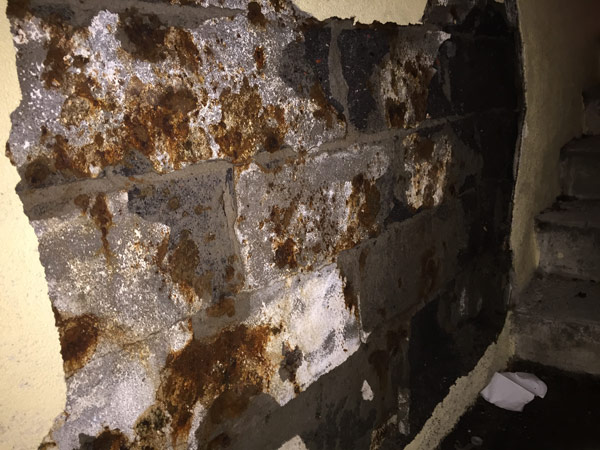
- Efflorescence, the white mineral deposits left behind by water seeping through concrete
- Spalling or flaking concrete surfaces
- Doors and windows that stick or no longer close properly
- Uneven floors or visible structural settlement
Any one of these signs on its own may seem minor. Together, or over time, they point to a foundation that needs professional evaluation rather than a wait-and-see approach.
Core Elements of a Foundation Maintenance Plan
Maintaining a commercial foundation is not a single task but an ongoing combination of monitoring, upkeep, and timely repair. The most effective plans include the following.
Regular Professional Inspections
Annual inspections catch problems while they are still small and inexpensive to fix. A thorough inspection examines concrete for cracking and spalling, checks water intrusion points, evaluates drainage conditions, and documents any changes since the last visit.
Proper Site Drainage and Grading
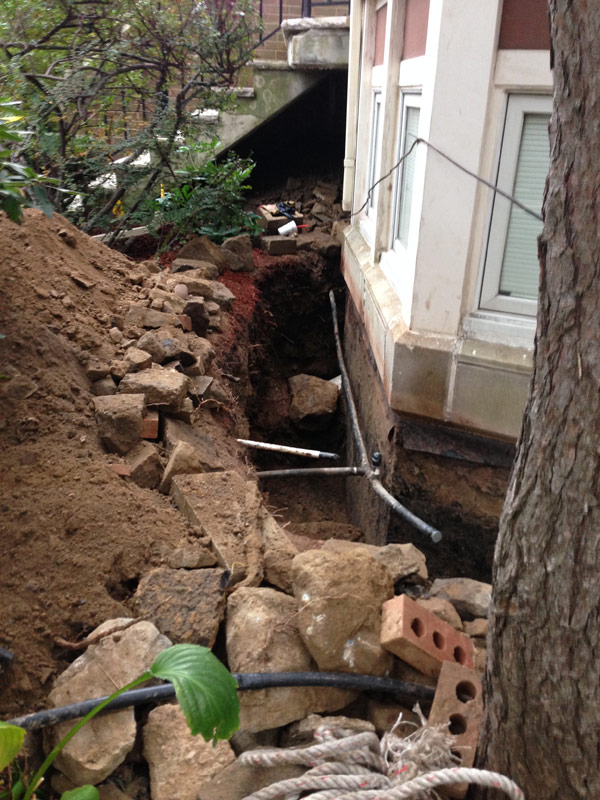
Water is the single biggest threat to any foundation. Grading that slopes away from the building, functioning gutters and downspouts, and drainage systems that carry water away from the foundation perimeter all reduce hydrostatic pressure against below-grade walls.
Waterproofing Systems
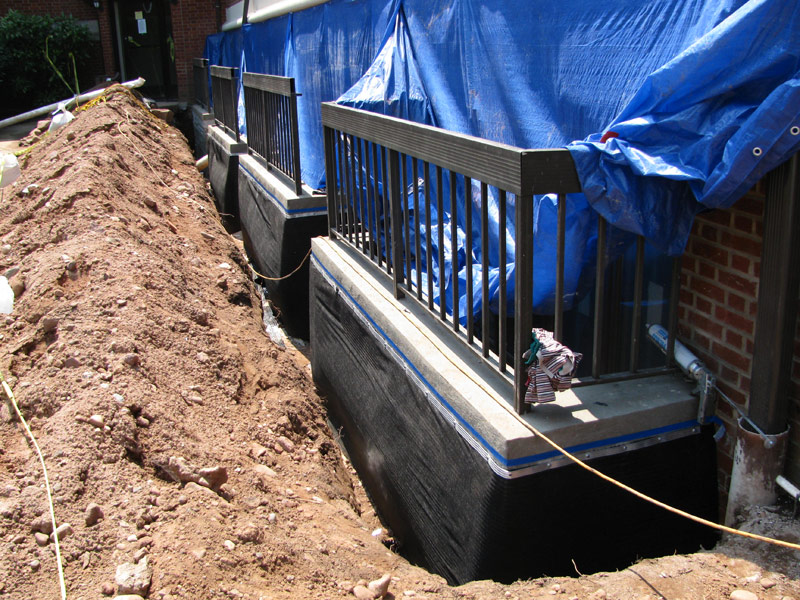
Foundation waterproofing coatings, sealants, and below-grade waterproofing membranes create a barrier against moisture before it becomes a structural issue. Waterproofing is preventive by nature, and it works best when installed or refreshed before existing cracks or gaps allow water in.
Crack Sealing and Monitoring
Not every crack requires major repair, but every crack should be monitored. Sealing active cracks prevents water from finding a path inside, and tracking crack width over time helps determine whether an issue is stable or actively worsening.
Interior Moisture Management
Basements and lower levels often show the first signs of foundation trouble. Managing indoor humidity, addressing musty odors, and correcting drainage issues around interior foundation walls all support the exterior maintenance work being done outside.
How Often Should a Foundation Be Inspected?
For most commercial and multifamily buildings in New Jersey, an annual inspection is the baseline standard. Buildings that are older, have a history of water intrusion, or sit on challenging soil conditions often benefit from inspections twice a year, particularly before and after winter, when freeze-thaw cycles do the most damage. Property managers and condo boards responsible for reserve planning should also treat foundation inspections as part of their long-term capital planning, not just an emergency response.
The Cost of Waiting vs. Preventive Maintenance
Foundation repair costs rise sharply the longer a problem goes unaddressed. A small crack that could be sealed for a modest cost today can turn into a water intrusion issue that damages interior finishes, promotes mold growth, and eventually requires structural repair. Water damage and structural deterioration typically cost several times more to fix than the original issue would have. Preventive maintenance, by comparison, is predictable, budgetable, and far less disruptive to residents, tenants, and daily building operations.
Partnering with a Professional for Ongoing Foundation Care
Foundation maintenance is not a do-it-yourself project for commercial and multifamily properties. It requires an understanding of structural loads, local soil and climate conditions, building codes, and the right combination of repair and waterproofing techniques for each specific building.
Adriatic Restoration has provided foundation repair and waterproofing services to commercial and multifamily buildings across New Jersey since 1982. From detailed inspections and customized repair plans to below-grade waterproofing and drainage correction, Adriatic Restoration works with property managers, condo boards, and building owners throughout Bergen, Passaic, Morris, Hudson, Essex, and Union counties to keep foundations solid for the long term.
Maintain Foundation & Protect Your Building From the Ground Up
A well-maintained foundation protects everything a building depends on. Regular inspections, proper drainage, effective waterproofing, and prompt attention to warning signs form the foundation, literally and figuratively, of a sound maintenance strategy.
Contact Adriatic Restoration at (201) 338-4642 or request a free inspection to get a clear, professional assessment of your building’s foundation and a maintenance plan built around its specific needs.