Historic Facade Restoration in New Jersey
Old Buildings Break Down Differently
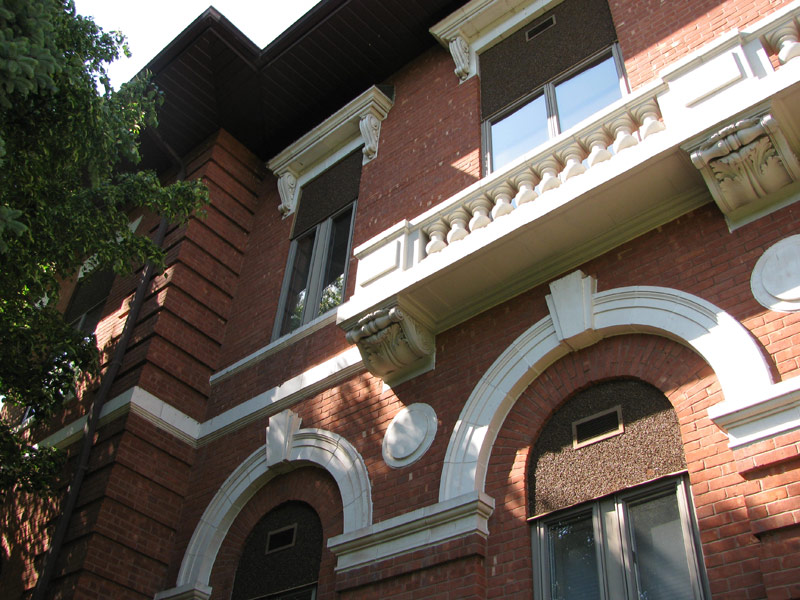
A 50-year-old building fails differently than a new one. Historic brick was laid with lime mortar that breathes. Pre-1970s stucco was applied over wood lath, not rigid foam. Using modern repair methods on these buildings often means replacing their character along with fixing the problem.
Historic facade restoration means understanding how the building was originally constructed and fixing it in a way that maintains the property’s integrity. Done wrong, it costs tens of thousands in lost value. Done right, it preserves the structure for decades.
What We Restore on Historic Properties
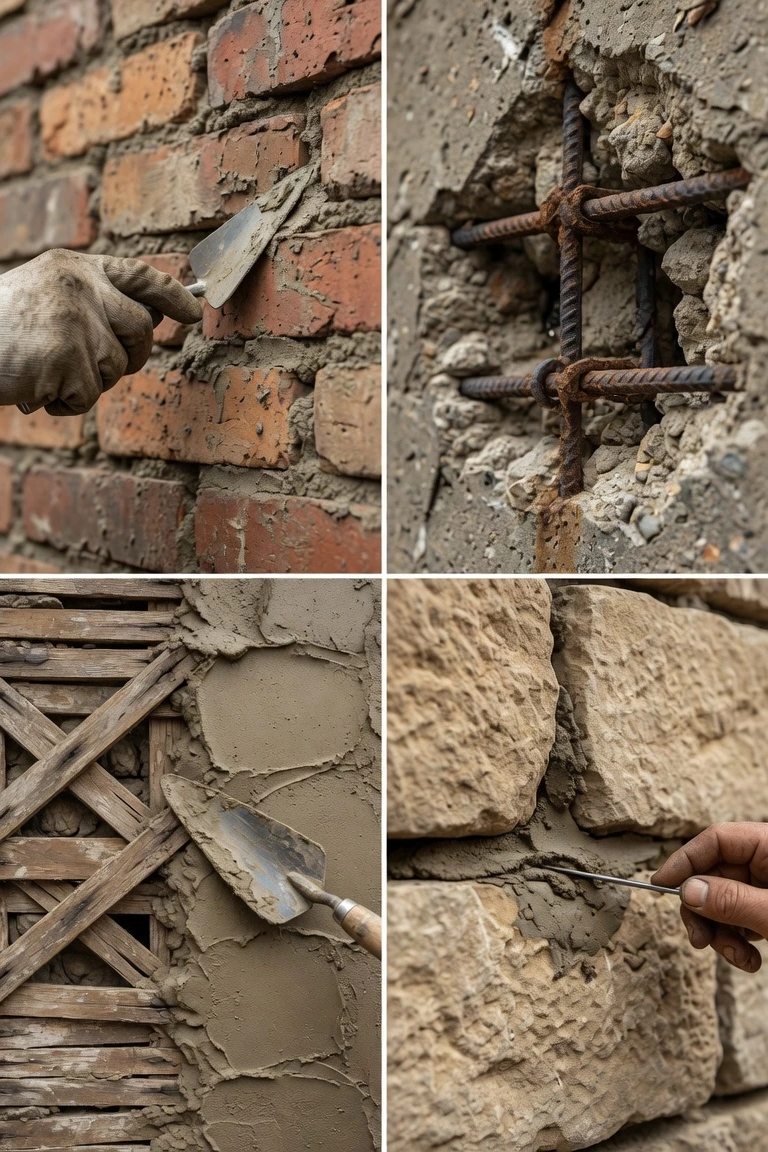
- Historic brick facades with deteriorated mortar, spalling brick, and settlement cracks
- Historic concrete facades showing spalling, rebar corrosion, and age-related deterioration
- Historic stucco over wood lath with settling cracks and weather failure
- Historic EIFS over masonry substrates with moisture problems
- Decorative stone and trim on historic buildings
- Historic balconies and exterior stairs with structural and cosmetic issues
- Mixed-material facades where brick, concrete, stucco, and stone come together
- Historic window sills, soffits, and fascia boards
- Efflorescence, staining, and biological growth on historic materials
- Water intrusion and failed sealants causing interior damage
- Structural cracks and settlement issues affecting facade
- Paint removal and restoration of historic finishes
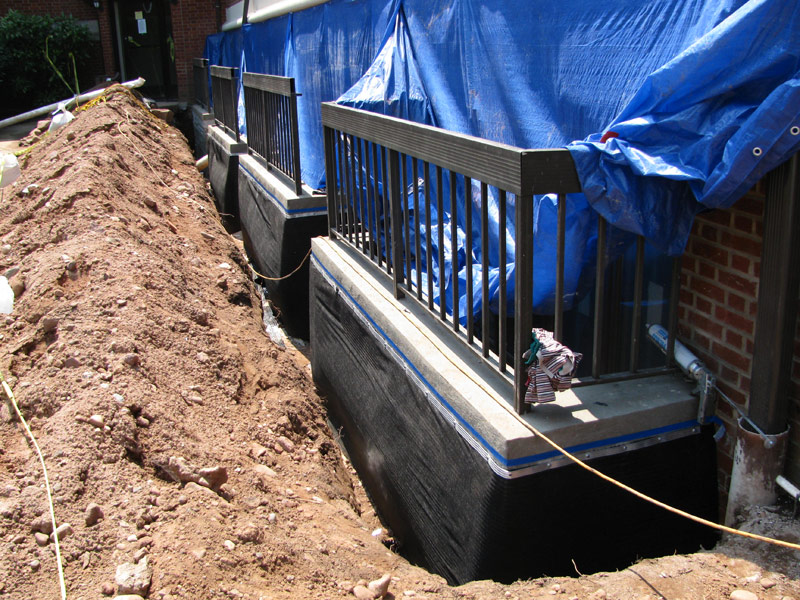
- Below-grade masonry and foundation restoration on historic structures
How We Restore Historic Facades
Step 1: Document the Original Construction
We examine how the building was originally built before any work starts. This includes material types, original finishes, construction methods, and previous repairs. Understanding the original protects it from being replaced with something incompatible.
Step 2: Identify the Root Cause of Failure
Water intrusion is usually the culprit, but it enters differently depending on the material and original construction. We identify the exact water entry path and underlying cause so the repair actually stops the problem instead of simply patching the symptoms.
Step 3: Repair With Compatible Materials
This is where historic restoration differs from standard repair. Using modern concrete patching on a historic facade or high-strength mortar on historic brick causes problems later. We use materials compatible with the original construction so the repair moves and weathers the same way.
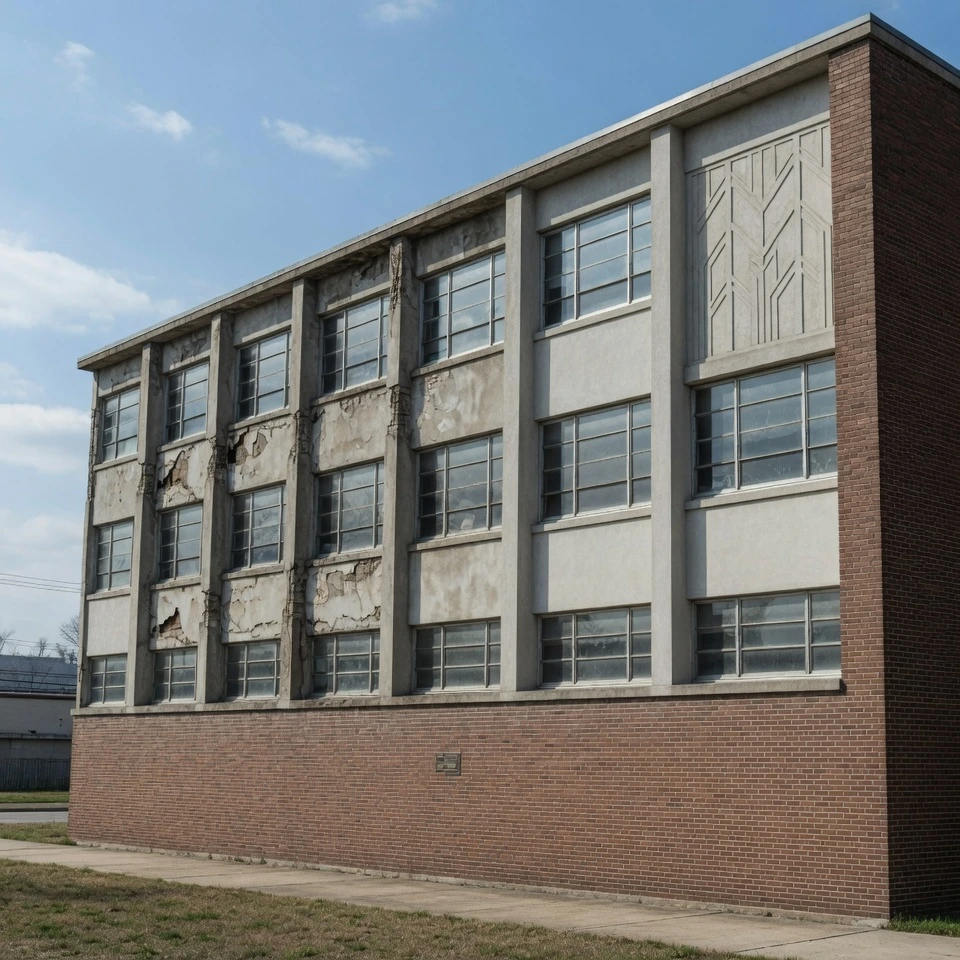
Historic Buildings We Restore Across New Jersey
Pre-1960s Brick Buildings: Buildings constructed with lime mortar are vulnerable to modern high-strength cement repairs that trap moisture. We evaluate the original mortar and use compatible repair that allows masonry to breathe.
Mid-Century Concrete Structures: 1950s-1970s concrete often has durability issues that modern concrete doesn’t. Rebar corrosion is common. We repair while preserving the building’s modernist character, see our concrete restoration service.
Historic Stucco Over Lath: Older stucco was applied over wood lath, not rigid substrates. The flexibility meant it moved with the building. Modern repairs sometimes create rigid systems that cause new cracks, see our stucco repair services.
Historic Stone Facades: Cut stone, granite, and limestone are durable, but mortar joints fail and stone sometimes spalls. Restoration requires understanding stone types and compatible repair methods.
Buildings With Mixed Materials: Historic properties often have brick, stone, concrete, and stucco on the same facade. Each material needs restoration respecting its original properties, see our EIFS repair and balcony restoration services.
Institutional and Public Buildings: Historic schools, courthouses, libraries, and municipal buildings need restoration that preserves character while meeting modern safety requirements.
Restoration or Repair: What Historic Buildings Usually Need
Targeted Repair is appropriate when damage is limited to one or two areas and the broader facade is still sound. Example: mortar joints on one section of a historic brick building have failed and water is leaking in. We repoint those joints with compatible mortar, and the problem is solved without replacing the entire facade.
Broader Restoration is needed when deterioration is widespread across the facade, when previous repairs were made with incompatible materials, or when the building’s overall durability is declining. This means comprehensive work that addresses the root causes of failure, not just the visible damage. Historic buildings often benefit from restoration work that includes protective coatings or sealants suited to the building’s age and exposure.
We assess the entire historic facade before recommending either approach, so you understand what the building actually needs and what it will cost.
Historic Facade Restoration Services Throughout New Jersey
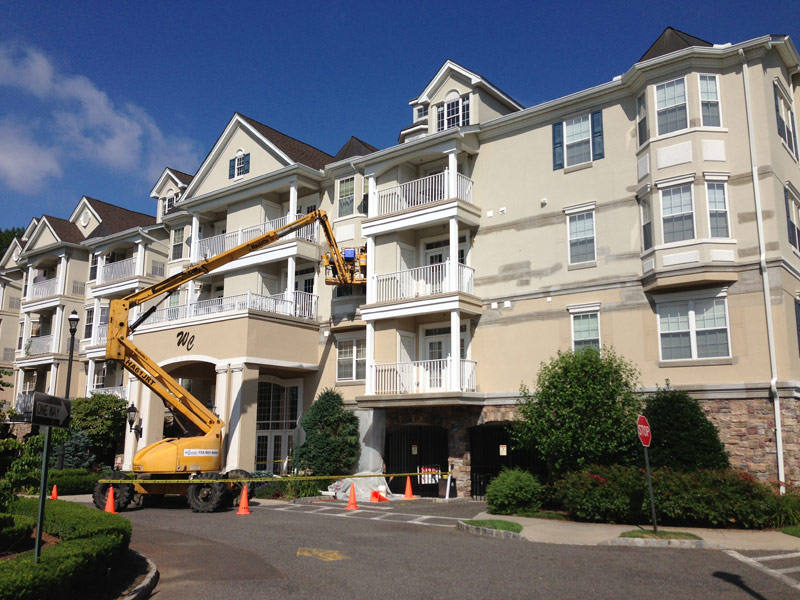
Adriatic Restoration provides professional historic facade restoration services throughout New Jersey, serving commercial, institutional, municipal, religious, and landmark properties across Bergen County, Hudson County, Essex County, Passaic County, Union County, Middlesex County, Morris County, and Monmouth County.
Our team restores historic facades in Paramus, Hackensack, Fort Lee, Englewood, Ridgewood, North Bergen, Jersey City, Hoboken, Newark, Montclair, Clifton, Paterson, Morristown, Edison, East Rutherford, and surrounding New Jersey communities while preserving each building’s original architectural character and historic details.
If your historic property is located anywhere in New Jersey and you’re unsure whether we service your area, call (201) 338-4642. We’ll be happy to confirm coverage and discuss your restoration project.
Why Historic Buildings Need Specialized Restoration
Historic buildings require a different restoration approach than modern structures. Using the wrong mortar, coatings, or repair methods can trap moisture, accelerate deterioration, and damage original materials that have lasted for decades. Successful historic facade restoration depends on understanding how older buildings were constructed and selecting repair techniques that preserve both their appearance and structural integrity.
At Adriatic Restoration, we understand the differences between historic and modern building systems and tailor every repair to the building’s age, materials, and condition. Our licensed and insured team works with historic preservation specialists, architects, and structural engineers on complex restoration projects to ensure every repair protects the building’s character while delivering long-lasting performance.
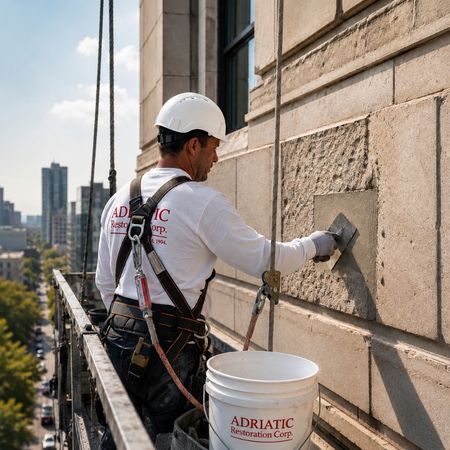
Recent Works