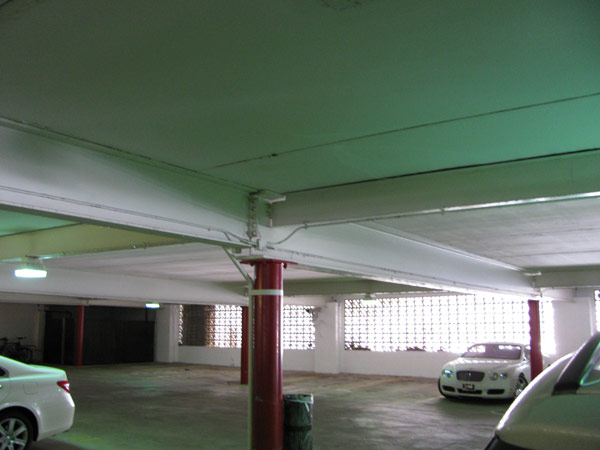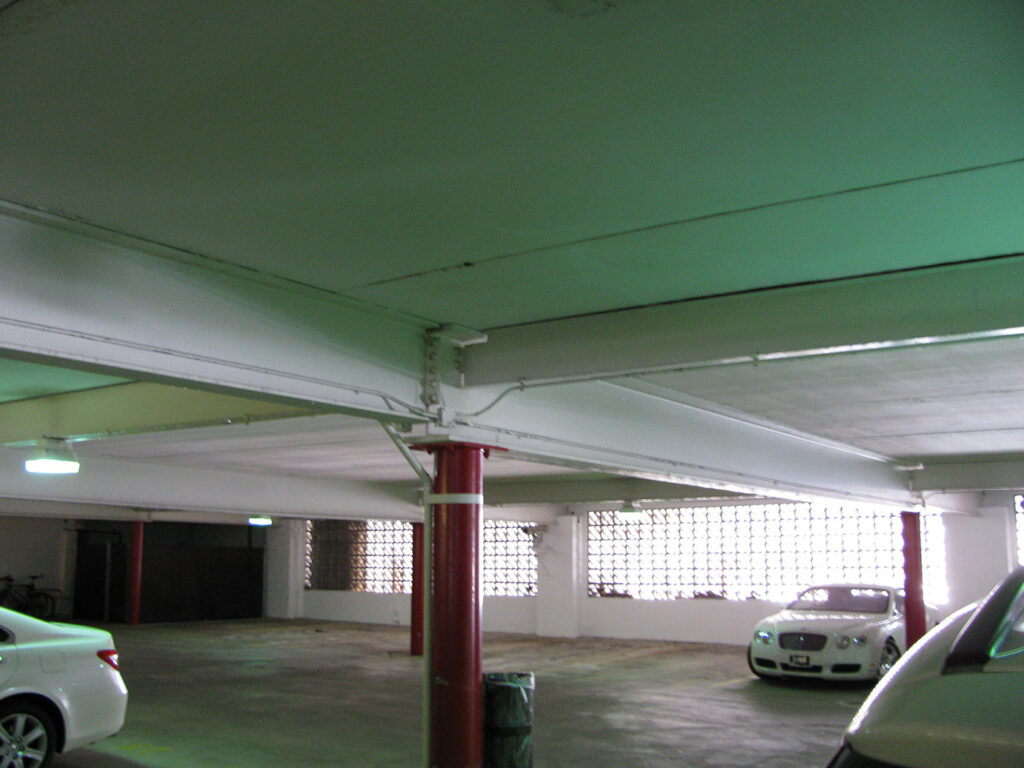
Parking garages in Paramus, New Jersey, experience constant stress from vehicle traffic, water intrusion, road salt, oil, temperature changes, and repeated freeze-thaw cycles. Over time, these conditions can cause concrete cracking, spalling, leaking, reinforcing-steel corrosion, failed expansion joints, and deterioration of protective deck coatings.
Adriatic Restoration provides professional parking garage repair, concrete restoration, and waterproofing services for commercial properties, office buildings, apartment communities, condominium associations, retail properties, and other parking structures throughout Paramus and Bergen County.
Whether your garage has a few localized concrete repairs or requires a larger phased restoration project, our team can evaluate the visible damage, identify potential sources of water intrusion, and develop an appropriate repair plan.
Parking Garage Repair Services in Paramus, NJ
A successful parking garage restoration project must address more than the visible surface damage. Cracks, rust stains, leaks, and loose concrete may indicate deterioration within the reinforced-concrete system or failure of the waterproofing, drainage, sealant, or expansion-joint components.
Our parking garage repair and restoration services may include:
- Concrete crack repair
- Spalled and delaminated concrete repair
- Overhead concrete repairs
- Concrete column, beam, wall, and slab repairs
- Exposed reinforcing-steel treatment
- Rust and corrosion mitigation
- Expansion-joint repair and replacement
- Control-joint and construction-joint repairs
- Sealant and caulking replacement
- Parking deck waterproofing
- Traffic-bearing deck coatings
- Epoxy and urethane coating systems
- Leak investigation and water testing
- Drainage and water-management improvements
- Concrete surface preparation and restoration
- Preventive parking garage maintenance
The exact repair system depends on the garage’s construction, exposure, existing damage, traffic requirements, drainage, and the recommendations of the property’s engineer or project consultant when applicable.
Common Parking Garage Problems in Paramus
Cracked Concrete
Concrete cracks can develop from shrinkage, temperature changes, structural movement, loading, corrosion, water intrusion, or deterioration around joints and penetrations.
Not every crack requires the same repair. Some cracks may be treated with an appropriate sealant or injection material, while moving or structural cracks may require further investigation and a different repair detail.
Simply covering a crack without determining why it developed may allow it to reopen or continue leaking.
Concrete Spalling and Delamination
Concrete spalling occurs when sections of concrete loosen, flake, or break away from the surface. In parking garages, spalling frequently develops around reinforcing steel that has been exposed to moisture and chlorides.
As embedded steel corrodes, the expanding rust places pressure on the surrounding concrete. This can cause cracking, delamination, and eventual concrete loss.
Spalled concrete may appear on:
- Parking deck surfaces
- Overhead slabs and ceilings
- Beams and supporting columns
- Ramps and drive lanes
- Garage walls
- Stair towers and entrances
- Edges around drains and expansion joints
Loose overhead concrete should be evaluated promptly because falling material may create a safety concern for vehicles and pedestrians.
Corroded Reinforcing Steel
Reinforcing steel helps concrete carry loads and resist tension. Concrete normally protects this steel, but water, road salt, cracks, carbonation, and other conditions can eventually cause corrosion.
Warning signs of reinforcing-steel corrosion include rust-colored staining, cracks following the outline of the steel, bulging concrete, hollow-sounding areas, and exposed rebar.
A proper repair may require removing unsound concrete, cleaning and evaluating the reinforcing steel, supplementing or replacing damaged steel when specified, applying appropriate corrosion protection, and restoring the area with compatible repair materials.
Water Leaks
Parking garage leaks may originate from cracks, failed deck coatings, deteriorated sealants, expansion joints, drains, penetrations, transitions, or improperly sloped surfaces.
Water can travel through or along the concrete before appearing below, which means the visible drip is not always directly beneath the original entry point.
Recurring leaks may cause:
- Rust staining
- Concrete deterioration
- Damage to vehicles
- Wet or slippery walking surfaces
- Damage to electrical and mechanical components
- Leaks into occupied areas beneath the garage
- Premature coating and sealant failure
A leak investigation should evaluate the surrounding deck, joints, drains, cracks, penetrations, and termination details rather than repeatedly patching only the area where water becomes visible.
Failed Expansion Joints and Sealants
Expansion joints allow sections of the parking structure to move independently as the building responds to temperature changes, loading, shrinkage, and other forces.
When joint systems or perimeter sealants deteriorate, separate, crack, or pull away from the concrete, water and debris can enter the opening. This may damage the concrete edges and allow leakage to the level below.
Joint repair may involve removing the failed material, repairing damaged concrete at the joint edges, preparing the surfaces, and installing a compatible joint or sealant system.
Worn Parking Deck Coatings
Traffic-bearing deck coatings help protect concrete from water, road salts, oil, abrasion, and other contaminants. However, these systems can wear down in turning areas, ramps, entrances, drive lanes, and heavily used parking spaces.
Signs of coating failure may include:
- Peeling or flaking
- Cracking
- Bubbling or blistering
- Worn traffic lanes
- Loss of texture or slip resistance
- Exposed concrete
- Water leaks beneath the deck
A new coating should not be installed over loose, wet, contaminated, or deteriorated concrete. The underlying concrete, cracks, joints, drainage, and active leaks should be addressed before the protective system is applied.
Our Parking Garage Restoration Process
1. Condition Assessment
The process begins with an evaluation of the parking deck, ramps, ceilings, beams, columns, walls, joints, drains, coatings, and other accessible components.
Areas of cracking, spalling, delamination, corrosion, leakage, failed sealant, and coating deterioration are documented. Additional testing or an engineering evaluation may be recommended when structural conditions require further investigation.
2. Removal of Unsound Concrete
Loose, cracked, delaminated, or deteriorated concrete is removed until a sound substrate is reached. The repair area is prepared to receive the specified restoration materials.
3. Reinforcing-Steel Repair and Treatment
Exposed reinforcing steel is cleaned and evaluated. Depending on its condition and the project requirements, the steel may be treated, supplemented, or replaced before the concrete is restored.
4. Concrete Restoration
The damaged areas are rebuilt using repair materials selected for the location, depth, exposure, and intended use of the structure.
Overhead, vertical, and horizontal repairs may require different installation methods and materials.
5. Crack, Joint, and Sealant Repairs
Cracks, expansion joints, control joints, penetrations, and perimeter transitions are repaired using systems appropriate for their expected movement and exposure.
6. Surface Preparation
Concrete surfaces must be properly cleaned and prepared before waterproofing or coating. Existing loose coatings, oil, dirt, debris, laitance, and other materials that could interfere with adhesion are removed.
7. Waterproofing or Traffic-Coating Installation
Once the concrete repairs are complete, a compatible waterproofing membrane, penetrating treatment, or traffic-bearing deck coating may be installed.
Special attention is given to drains, joints, cracks, transitions, terminations, ramps, and other vulnerable areas where water commonly enters.
8. Phased Completion and Final Review
For an operating parking garage, work may be completed in sections to preserve access and reduce disruption. The completed areas are reviewed before spaces or traffic lanes are reopened.
Parking Garage Waterproofing in Paramus
Repairing damaged concrete without addressing the source of water intrusion may allow deterioration to return. For that reason, concrete restoration and waterproofing should be considered together.
Depending on the structure, parking garage waterproofing may include:
- Traffic-bearing urethane coating systems
- Epoxy coating systems
- Fluid-applied waterproofing membranes
- Penetrating concrete sealers
- Crack injection
- Expansion-joint systems
- Sealant replacement
- Drain and penetration detailing
- Waterproofing at ramps and exposed decks
The system must be selected for the specific surface. A coating appropriate for a vertical concrete wall may not be suitable for a heavily traveled parking ramp or suspended deck.
Learn more about Adriatic Restoration’s parking garage restoration services and concrete waterproofing services.
Signs Your Paramus Parking Garage Needs Repair
Property owners and managers should arrange an inspection when they notice:
- Concrete cracking or breaking away
- Loose overhead concrete
- Rust-colored stains
- Exposed reinforcing steel
- Water dripping through the ceiling
- Puddles or standing water
- Recurring leaks after rain or snow
- White mineral deposits or efflorescence
- Hollow-sounding concrete
- Damaged expansion joints
- Failed or missing sealant
- Peeling or worn deck coatings
- Cracks near columns, beams, ramps, or drains
- Damage to occupied areas beneath the garage
These conditions should not automatically be assumed to have the same cause. A qualified assessment is necessary to determine whether the appropriate solution is a localized repair, crack treatment, joint replacement, concrete restoration, waterproofing, drainage correction, or a larger engineered repair program.
Preventive Parking Garage Maintenance
Routine inspections and maintenance can help identify deterioration before it spreads into larger portions of the structure.
A preventive maintenance program may include:
- Regular visual inspections
- Cleaning drains and drainage channels
- Monitoring cracks and previous repairs
- Replacing deteriorated joint sealants
- Repairing localized coating wear
- Addressing ponding and drainage problems
- Removing salt and debris from deck surfaces
- Checking overhead concrete for loose areas
- Reviewing ramps, entrances, and high-traffic areas
- Scheduling periodic professional condition assessments
Early repairs are generally less disruptive than allowing moisture, corrosion, and concrete deterioration to continue across larger areas of the garage.
Minimizing Disruption During Garage Repairs
Parking garage projects often take place in occupied commercial, residential, retail, healthcare, or office properties. Completely closing the structure may not be practical.
Depending on the scope, Adriatic Restoration can coordinate phased work areas, temporary closures, traffic routing, pedestrian protection, staging, and scheduling with the property manager or building representative.
Factors that may affect project scheduling include:
- Concrete curing requirements
- Coating and waterproofing cure times
- Weather and temperature limitations
- Vehicle and pedestrian access
- Noise and dust restrictions
- Resident or tenant schedules
- Availability of parking during construction
A clear phasing plan helps property managers communicate closures and preserve as much garage access as reasonably possible.
Why Choose Adriatic Restoration?
Adriatic Restoration has provided exterior building restoration and waterproofing services throughout New Jersey since 1982. Our team works on concrete, masonry, waterproofing, facade, balcony, and parking structure projects for commercial and multifamily properties.
Property owners choose Adriatic Restoration because we can address both the visible concrete deterioration and the waterproofing conditions that may be contributing to it.
Our capabilities include:
- Concrete repair and restoration
- Parking deck waterproofing
- Crack and expansion-joint repair
- Reinforcing-steel treatment
- Traffic-bearing coating installation
- Leak investigation
- Phased work in occupied properties
- Commercial and multifamily restoration experience
Parking Garage Repair Contractors Serving Paramus and Bergen County
Adriatic Restoration serves parking structures throughout Paramus and surrounding Bergen County communities. We work with building owners, property managers, condominium associations, facility managers, engineers, and commercial-property representatives.
Whether you are addressing an active leak, loose overhead concrete, deteriorated expansion joints, corroded reinforcing steel, or a worn parking deck coating, our team can help determine the appropriate next steps.
Call Adriatic Restoration at (201) 338-4642 or contact us online to request an assessment for your parking garage in Paramus, New Jersey.
Frequently Asked Questions
What causes concrete to spall in a parking garage?
Spalling may be caused by water intrusion, reinforcing-steel corrosion, deicing salts, freeze-thaw exposure, impact damage, poor drainage, cracking, or deterioration of the concrete. The cause should be evaluated before the repair is completed.
Can a parking garage remain open during restoration?
Many garage restoration projects can be divided into phases so portions of the structure remain accessible. The available access depends on the repair locations, safety requirements, equipment, curing times, and size of the project.
Can you repair leaking expansion joints?
Yes. The repair may include removing the failed joint or sealant, restoring damaged concrete at the joint edges, preparing the surfaces, and installing a compatible replacement system.
Should concrete repairs be completed before applying a deck coating?
Yes. Loose concrete, spalls, active cracks, failed joints, corrosion, contamination, and drainage problems should be addressed before a new waterproofing or traffic-bearing coating is installed.
How often should a parking garage be inspected?
The appropriate inspection schedule depends on the garage’s age, exposure, construction, use, previous repairs, and applicable professional or regulatory requirements. Property managers should also arrange an inspection when leaks, rust staining, cracking, spalling, or coating failure become visible.
Do small cracks need to be repaired?
Small cracks should at least be evaluated and monitored. Some may be nonstructural, while others may allow water and chlorides to reach the reinforcing steel or may indicate continuing movement.
Do you repair overhead garage concrete?
Yes. Overhead concrete restoration may include removal of loose material, reinforcing-steel treatment, installation of repair material, and related waterproofing or leak repairs. Appropriate access and pedestrian or vehicle protection are required during the work.