A foundation inspection cost typically starts around $500 for a smaller commercial building. It can climb past $3,000 for a multifamily or high-rise property, depending on square footage, foundation type, and how many components the engineer needs to access.
Buildings with below-grade parking, multiple wings, or existing crack activity usually land toward the higher end.
A foundation problem caught early might cost a few hundred dollars to monitor. The same issue ignored for a year or two can turn into a $10,000+ repair.
Commercial and multifamily buildings carry heavier loads and more complex foundation systems than a typical house. The foundation engineer inspection cost for a commercial property rarely mirrors what a homeowner pays down the block.
This guide breaks down what drives that pricing in New Jersey, what a proper inspection actually covers, and when to bring in a structural engineer versus scheduling a foundation assessment with your restoration contractor first.
What a Foundation Inspection Covers
A foundation inspection covers far more than a quick walk-through. A qualified inspector systematically evaluates every accessible structural component, looking for settlement, cracking, water intrusion, and material deterioration.
The Exterior Evaluation
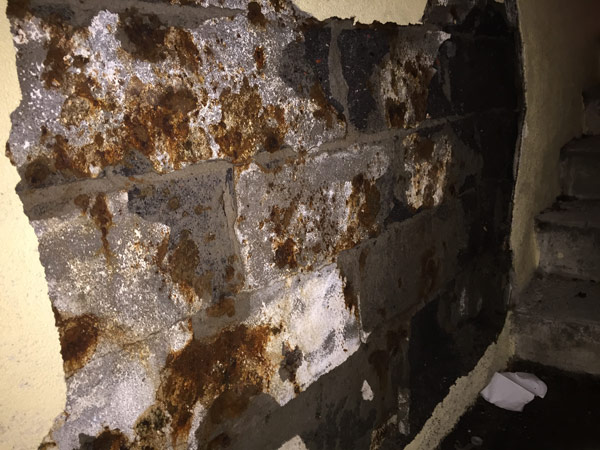
The inspector starts outside, walking the full perimeter. They check for horizontal cracking, stair-step cracking in masonry, spalling, and bowing along the visible foundation line.
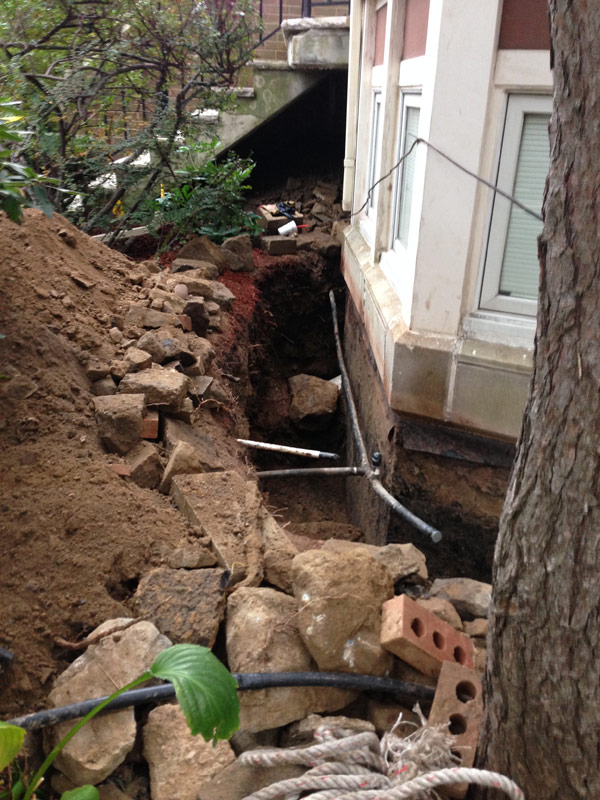
Horizontal cracks are a bigger red flag than vertical ones, since they often point to lateral pressure from saturated or shifting soil. Grading and drainage get evaluated at this stage too. Confirming that water is moving away from the building rather than pooling against it matters, since poor site drainage is one of the most common contributors to foundation deterioration on commercial properties.
The inspector also checks for efflorescence, evidence of past patchwork repairs, and any signs of prior water intrusion on below-grade parking walls.
The Interior Evaluation
Inside, the inspector reads the building itself for clues. Sloping floors, doors and windows that no longer close flush, and cracking in interior walls near foundation lines often surface before exterior damage becomes obvious.
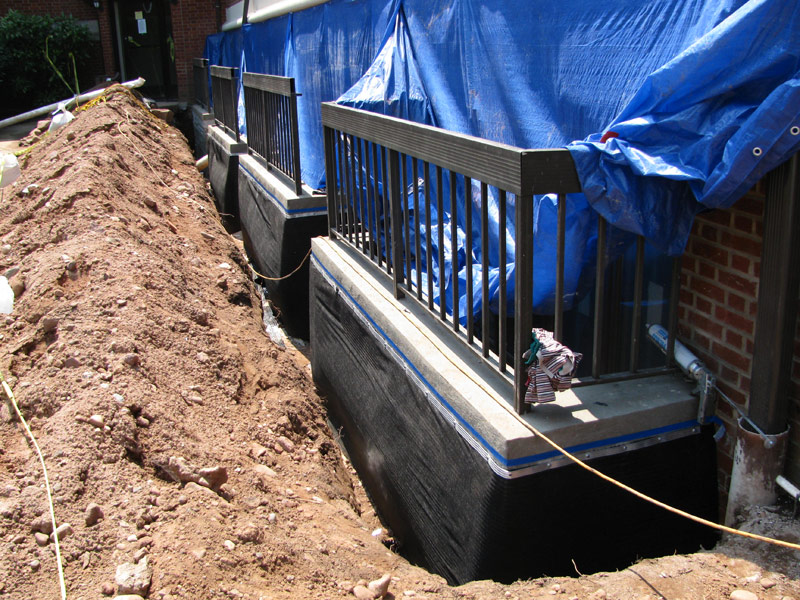
Where access allows, this extends to basement walls, mechanical room foundations, and below-grade parking structures. This ties closely to below grade waterproofing, since a foundation inspected without addressing water intrusion tends to develop the same issues again.
What the Report Documents
The engineer or inspector compiles everything into a written report with photos, separating cosmetic issues from conditions that need monitoring or immediate repair.
The report also notes what couldn’t be accessed and why. Finished walls, tenant storage, or blocked mechanical rooms get flagged directly rather than glossed over, since that gives you a clear baseline for tracking changes at future inspections.
Foundation Inspection Cost by Building Type
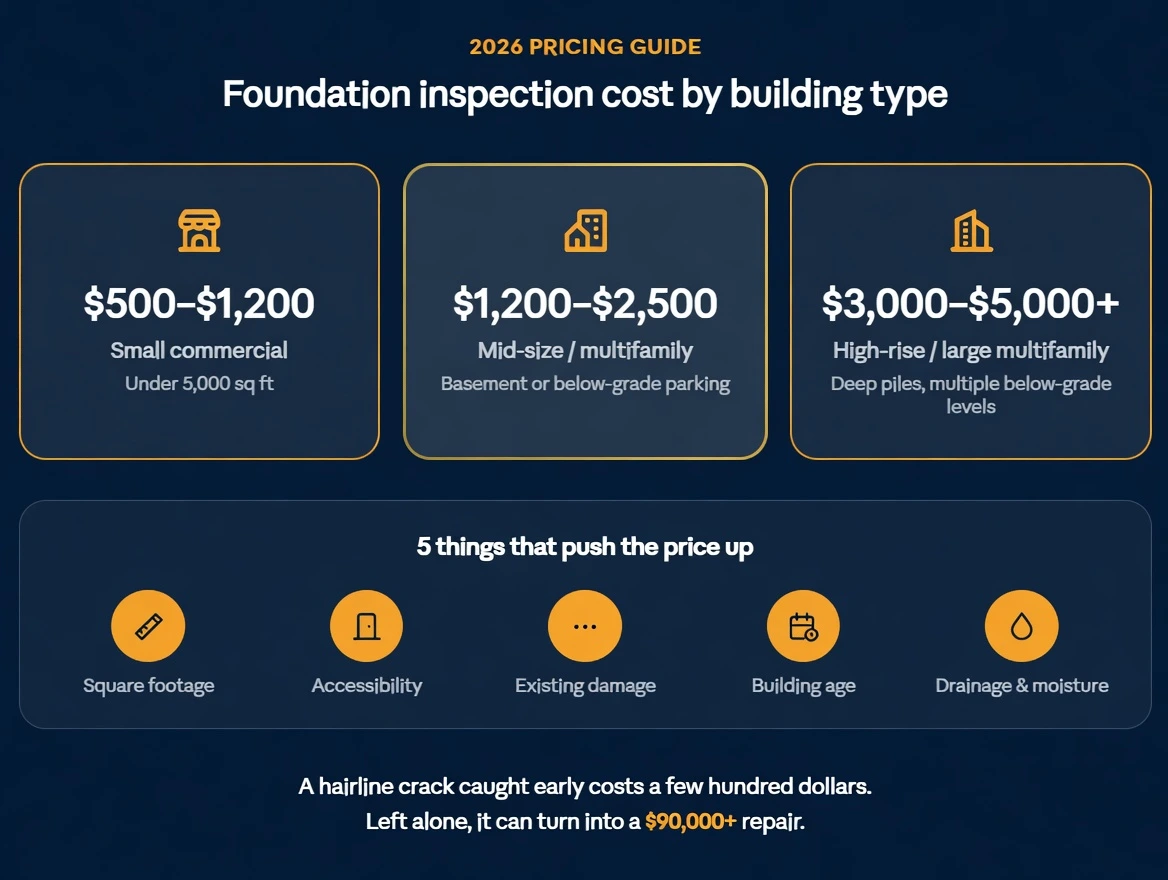
Pricing scales with square footage and complexity. A small commercial building and a mid-rise multifamily property won’t land in the same range.
| Building Type | Typical Cost | Notes |
|---|---|---|
| Small commercial (under 5,000 sq ft) | $500 – $1,200 | Assumes reasonably open access |
| Mid-size commercial or multifamily | $1,200 – $2,500 | Especially with basement or partial below-grade parking |
| High-rise or large multifamily | $3,000 – $5,000+ | Deep piles, multiple below-grade levels, or a stamped engineer’s report |
These ranges reflect a standalone structural evaluation. If the inspection is bundled into a larger facade or waterproofing assessment, pricing is often adjusted since the engineer is already on site.
What Drives the Price Up or Down
A few factors consistently move the cost.
Square footage and layout. More foundation to walk, document, and photograph means more time on site. A property with multiple wings or a mixed foundation type extends both the walkthrough and the report.
Accessibility. Finished basements, tenant storage, or below-grade parking that’s hard to reach all add time. When an inspector physically can’t reach a section due to stored belongings or blocked doors, they document the gap and may need a second visit.
Foundation type. A below-grade foundation with multiple wings takes longer to evaluate than a straightforward slab.
Existing damage. Visible cracking or settlement means more time measuring crack widths, assessing orientation, and documenting patterns across the structure. Severe damage may trigger a recommendation for a follow-up structural engineering evaluation, a separate cost on top of the initial inspection fee.
Building age. Older structures, especially those built before modern waterproofing standards, need closer inspection of joints and below-grade walls.
On a mid-rise property we assessed in Hudson County, what should have been a routine $1,500 inspection ran closer to $2,800 once the engineer found blocked mechanical room access and had to schedule a second site visit. Clearing access ahead of time would have kept it at the original quote.
Structural Engineer or Restoration Contractor First?
A licensed structural engineer is the right call when you already suspect a structural problem: active cracking, visible settlement, or a tenant complaint about sloping floors. Engineers calculate load paths and produce a stamped report that contractors can use to bid and execute repairs.
Hire a structural engineer when you already know a problem exists and need a documented repair plan, not as your first step in routine due diligence.
A restoration contractor is often the better starting point for routine checks or a suspected water intrusion issue rather than a structural one. Adriatic Restoration provides a free foundation repair inspection for commercial properties, giving property managers a clear picture before deciding whether a stamped engineer’s report is actually necessary.
Many buildings end up needing both. A contractor identifies the issue and scope, then an engineer signs off on the repair approach for anything structural. Starting with a contractor’s assessment first also means the engineer walks in with existing documentation, which keeps their time, and your total cost, lower than starting cold.
Some property managers assume a contractor’s free inspection will always upsell into unnecessary work. In practice it’s usually the opposite risk: skipping the engineer entirely on a genuinely structural issue, since a contractor isn’t qualified to issue a stamped load-bearing assessment even if they can spot the problem.
When to Schedule
Timing affects both cost and accuracy. Scheduling during or just after a dry stretch gives the inspector a clearer view of any separation between soil and foundation wall, since dry conditions make settlement patterns easier to document.
Waiting until a crack has already grown through two or three seasons doesn’t save money. It just means the inspection, and likely the repair, costs more once it finally happens.
Signs Your Building Needs an Inspection Sooner
- Cracks widening across seasons, especially horizontal or stair-step cracking in masonry
- Doors or windows on lower floors that have started sticking
- Visible water intrusion or efflorescence on below-grade walls
- Sloping or uneven floors reported by tenants
- Standing water near the foundation after rain
If any of these sound familiar, it’s worth reviewing our guide on what different foundation crack types mean before deciding whether a full inspection is the next step.
How to Keep Inspection Costs Reasonable
Clear tenant storage or debris away from basement and foundation walls, and provide access to mechanical rooms and any below-grade parking areas.
Tip: Share records of prior repairs or previous inspection reports before the visit. Engineers who walk in cold often spend the first 20-30 minutes just establishing a baseline, time that’s billed the same as the actual inspection.
Accessible conditions let the engineer cover more ground in less time, which keeps the final invoice closer to the lower end of the range.
Get a Foundation Assessment for Your Property
Foundation issues on commercial and multifamily buildings rarely stay small. What starts as a hairline crack or minor moisture intrusion can turn into a much larger repair bill if it’s left unaddressed for a few seasons.
The cost you pay for an inspection today is small compared to what a deferred foundation problem costs later. Whether you’re managing one building or a portfolio, getting a documented professional evaluation gives you something to act on before a manageable issue turns into a major one.
Adriatic Restoration has been serving commercial and multifamily properties in New Jersey since 1982, and every foundation consultation starts with a straightforward, no-obligation assessment. If it’s been a while since your building’s foundation was properly inspected, contact Adriatic Restoration to schedule a review.
Call (201) 338-4642 for a free foundation inspection.
FAQs
Does foundation inspection cost depend on building size?
Yes. Square footage is one of the biggest cost drivers, since larger foundations take more time to walk and document.
Should I hire a structural engineer or a restoration contractor first?
Start with a contractor for routine due diligence or suspected water issues. Call a structural engineer if you already see active cracking or settlement.
How often should a commercial building’s foundation be inspected?
Annually is standard, though buildings with known moisture issues or older masonry foundations benefit from more frequent checks.
Can poor drainage really affect foundation inspection cost?
Yes. Sites where water pools near the building often show more deterioration, which means more time spent documenting the damage.