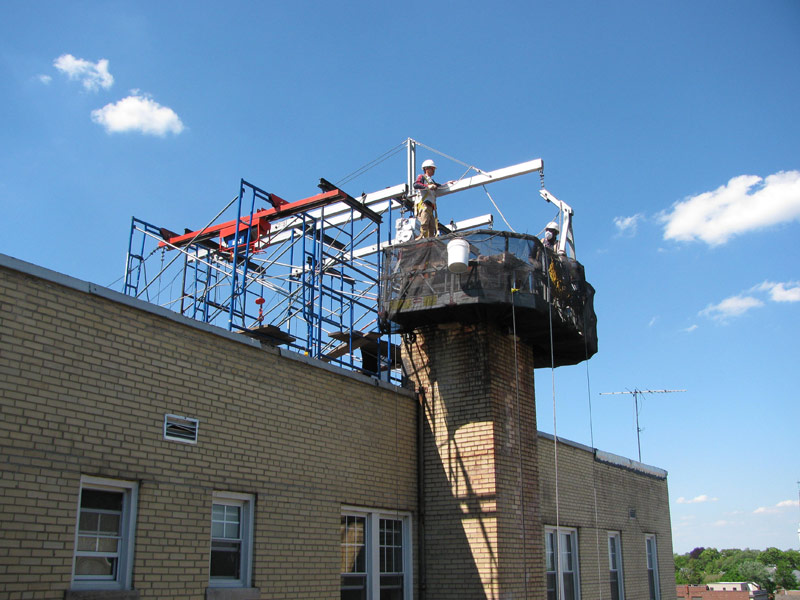
Brick ties are small metal connectors that hold a brick wall to the structure behind it. The wall can crack or bulge if these connectors rust or snap. Most brick walls look solid, but behind the scenes, a grid of thin metal ties keeps the brick attached.
People do not think about them until they notice cracks. This is a silent failure common with brick ties in New Jersey. The local weather includes wet winters and repeated freeze-thaw cycles that contribute to rust. Salty air near the coast adds to the problems.
Purpose of Metal Wall Ties in Brick Construction
Brick ties are small metal connectors made from regular steel or stainless steel. They anchor the outer brick layer of a wall to the structure behind it. They prevent the brick from pulling away due to wind pressure and building movement. Homes in New Jersey with brick veneer or cavity walls rely on them for stability.
A typical tie is a thin strip or wire. One end sits in a mortar joint between bricks. The other end fastens to the backing wall, such as wood framing or concrete block.
Builders space ties in a grid across the wall, so each tie carries a small share of the load. When one fails, its neighbors carry more. That is why damage often spreads slowly at first and then speeds up.
Metal wall ties have a long history. The Brick Industry Association traces their first use in masonry walls to mid-nineteenth-century England.
Do All Brick Walls Require Metal Wall Ties?
Many older homes in New Jersey have solid brick walls, built several layers thick. Masons locked those layers together with header bricks turned sideways, not with metal ties.
Those walls bulge for other reasons, such as failed mortar or long-term water damage. A mason needs to know which system a wall uses before any repair starts. The wrong fix on the wrong wall wastes money and leaves the real problem in place.
Common Causes of Brick Tie Corrosion in New Jersey
Water causes nearly all tie corrosion. Rain soaks into brick and mortar, and moisture then reaches the metal. Older steel ties with a thin zinc coating start to rust once that coating wears away.
Rusted brick ties lose strength, but the bigger problem is size. Rust takes up much more space than the steel it replaces. As a tie rusts, it swells inside the mortar joint and pushes the joint apart. Masons call this rust jacking.
Local weather adds stress. Freeze-thaw cycles open tiny gaps that let in more water. Along the Jersey Shore, salt in the air speeds up rust on any exposed metal.
Poor installation also matters. Ties placed with the wrong slope collect water. Mortar droppings in the wall cavity hold moisture against the metal, too. A badly built wall can corrode years sooner than a well-built one.
How to Recognize Brick Tie Failure in Masonry Walls
Failing ties rarely give one clear alarm, and they leave a pattern. These signs of failing brick ties matter most.
Horizontal Cracks Along Mortar Joints
Horizontal cracks in a brick wall often mark the height of a corroded tie row. Look for cracks that repeat at even heights. Check whether they widen over time.
Bulging or Bowing Brick
A bulge means the brick face has pulled away from its backing. Sight along the wall from a corner, or lay a straight board against the brick. Gaps behind the board show where the wall curves outward.
Bulges usually grow slowly. A wall can sit unchanged for years and then move fast after a hard freeze.
Stair-Step Cracks Near Corners and Openings
Cracks that step around windows and doors may point to ties. They can also point to foundation settling. A mason should sort out the cause before any repair begins.
Loose or Hollow-Sounding Brick
Tap the wall with a rubber mallet from the ground. A dull, hollow sound means the brick may have detached from its backing. Loose brick near the top of a wall can fall, so keep people clear until someone checks it.
Rust Streaks and Mineral Stains
Rust streaks on the brick face show that water is moving through the wall. White mineral deposits near tie lines tell a similar story. Both deserve a closer look.
How to Inspect Brick Walls for Tie Corrosion
The honest answer is that ties hide inside the wall, and the surface only hints at their condition. A homeowner can spot the signs above, but a mason confirms the problem.
Inspectors often drill a small hole in a mortar joint and slide in a borescope, a thin camera on a flexible cable. This shows the tie, its rust level, and how well it grips the backing. A metal detector can also map where ties sit and reveal gaps in the grid.
Some walls have too few ties to begin with. An inspection can catch that problem, too, even when no rust is present.
Bulging Brick Wall Repair and Tie Replacement Methods
A bulging wall needs a plan rather than a temporary fix. The repair depends on how far the brick has moved and what holds it now.
So, can a bulging brick wall be repaired? Usually yes. If the brick is sound and the backing is solid, a mason can add new ties to secure the wall. Remedial ties lock a bulge in place, but they rarely pull a badly bowed wall flat.
If the bulge is large, the mason may take down that section and rebuild it with new ties. A structural engineer may review the wall first when the movement looks serious.
Brick tie replacement usually means installing new stainless steel ties through the brick face and into the backing wall. The installer drills a small hole and sets the tie. Matching mortar then covers the hole. Old ties often stay in place, since pulling them out can damage the brick.
Brick Tie Repair Costs: Critical Factors
Several factors shape the size of a repair. Wall height and access matter, since taller walls need lifts or scaffolding. The type of backing matters, too.
The number of damaged ties and the size of any bulge also change the plan. Water damage inside the wall can add repair work once the mason opens it up. A written inspection report gives the clearest picture before anyone commits to a scope.
Where These Problems Show Up in New Jersey
Older brick housing sees these problems often. Anyone looking for brick tie repair near Newark or bowing brick wall repair near Jersey City will find many aging rowhouses and masonry buildings where ties and mortar have faced a century of weather.
Newer brick veneer homes in suburban areas show a different pattern. Their ties are younger, but rushed installation and trapped moisture can still cause early trouble.
What to Do When You Spot a Warning Sign
You should always start with a record. Photograph the crack or bulge and write down the date. Draw a pencil mark at the end of a crack and check it again in a month. A crack that grows tells a mason more than one that stays the same.
Keep people and pets away from any bulge that looks large or leans over a walkway. Do not fill cracks with caulk and call the job done. The sealant hides the symptom and traps water inside the wall.
If a wall at your home shows any of these signs, our masonry team at Adriatic Restoration can inspect the ties and explain what is happening behind the brick. We work with homeowners across New Jersey and help with repairs.
Frequently Asked Questions About Brick Ties
How long do brick ties last?
Many galvanized steel ties last several decades in a dry wall. Ties in a wall that stays wet can fail much sooner. Stainless steel ties resist rust far better, which is why repairs use them today.
Are rusted brick ties always an emergency?
No. Surface rust on a tie does not always mean the wall is unsafe. The risk depends on how much metal remains, how many ties show rust, and whether the wall already cracks or bulges. A mason can judge that after an inspection.
Do all brick walls have brick ties?
No. Brick veneer and cavity walls use metal ties. Older solid brick walls usually rely on header bricks that tie the layers together. The repair method changes depending on which system the wall has.
Does New Jersey weather make brick ties rust faster?
Yes, it can. Freeze-thaw cycles open small gaps in mortar, and those gaps let water reach the metal. Coastal salt air speeds up rust in towns near the shore.
Will homeowners insurance cover brick tie repair?
It depends on the policy. Many policies exclude damage from wear, rust, and gradual deterioration, but sudden damage from a storm or impact may fall under different terms. Read the policy or ask the insurer before work begins.
When should a bulging brick wall get checked?
As soon as the bulge appears. A bulge shows that the brick has already pulled away from its backing, and it can grow without warning after a hard freeze. Early checks give more repair options and lower the risk of falling brick.