Parking Garage Restoration

Look for Stressors in Your Parking Structure

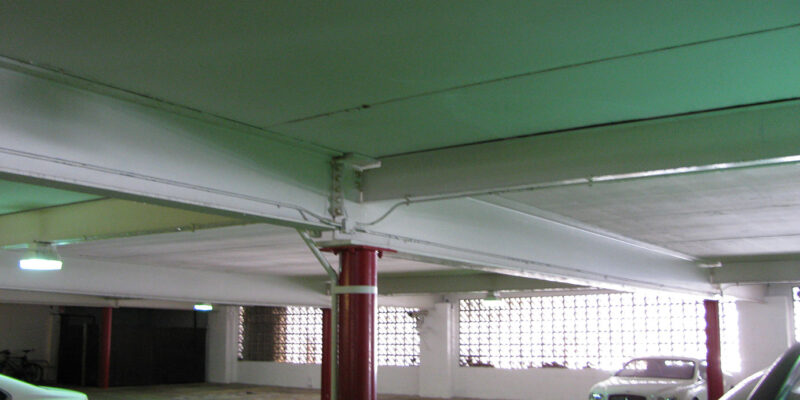
Parking garages really take a beating. Heavy vehicles, oil from leaking cars, tracked-in water, ice, chemicals and more are part of the problem. Weather conditions are another part, making these garages doubly exposed to wear and tear, both inside and out. For property managers in charge of these types of commercial structures, it’s important to regularly inspect and repair parking garage problems.

High Stress Levels

Because they are usually “out of sight, out of mind,” parking structures can be easily ignored. However, a lack of regular inspection and repair can have expensive consequences, not to mention safety issues if the concrete fails. Below are some typical sources of stress and damage.

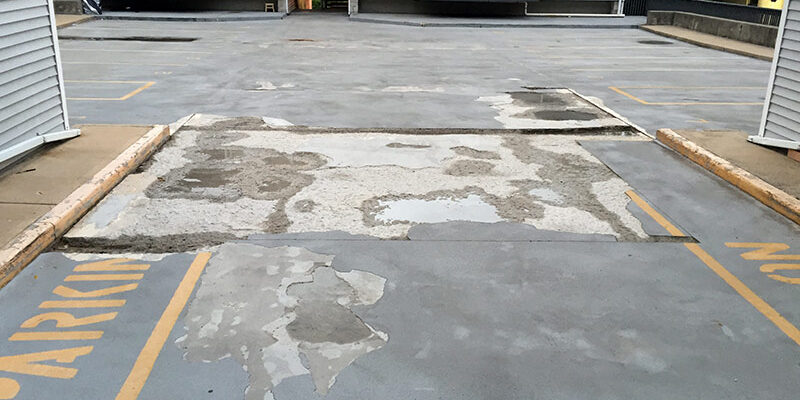
  • Water damage: When water penetrates concrete and freezes, it expands and can rupture the surface. Look for any cracks, chipping and flaking of the concrete.
  • Rust: This indicates moisture has penetrated to the steel reinforcement inside the concrete. Repair parking garage problems such as this promptly.
  • Oil, salt, chemicals: These substances are usually tracked in by vehicles and can add to the deterioration.
  • Weight of vehicles: Concrete absorbs literally tons of pressure from all types of vehicle and the stress can eventually affect the steel reinforcement.
  • Heat and cold: Over time, continual expansion and contraction caused by weather extremes can add to cracks and other damage, including the expansion joints.

Repair Damage Promptly

Prompt repairs are a must. Ignored, the problems will only get bigger and may affect the structural integrity. There are many resources and tools available to maintain and repair concrete, but your best bet is a professional restoration company that can inspect and evaluate the situation.

Property managers and landlords of high-rise buildings, including condominiums, apartments, town homes and other commercial buildings, have a responsibility to their tenants, as well as the structure’s owner, to maintain a safe environment. At the first sign of wear and tear, get help to repair parking garage problems.
Commercial Windows Repairs and Replacement

4 Characteristics You Want in a Window Repair Contractor

There is nothing like dealing with a cracked, broken, or dated window. Often, the consequences include dealing with drafts, safety issues, and visual distaste. Fortunately, with the help of a professional, you can quickly fix these issues and enjoy optimal function of your windows. When working with a window repair contractor, these following four characteristics are essential.

  1. Consistency

Professional services that are reputable and trustworthy will always provide consistent results. From start to finish, you can anticipate the outcome to be in compliance with promised claims. All work will be consistent from quality, to timing, to appearance.

  1. Quality

Anytime you are working with a window repair contractor, you can be confident in the quality of the products used and workmanship provided. Quality outputs will be guaranteed to last for many more years than lackluster results.

  1. Attention to Detail

When a professional pays attention to the smallest details, he or she can help reduce unnecessary waste of your resources. Additionally, vigilance can guarantee that everything is fixed appropriately to eliminate additional repairs.

  1. Professionalism

An expert should always deal professionally from communication, to time management, to payment of dues. When you have evidence of professionalism, you can be confident you have found a reliable contractor.

Whether you are a property manager, landlord, or owner of a high rise, apartment, or other commercial building, when you recognize the need for assistance from a window repair contractor, remember to look for behaviors that demonstrate trustworthiness. These include consistency, professionalism, quality workmanship and products, and attention to detail.

Deck Drainage Systems

What to Look for in a Concrete Balcony Repair

Maintaining a Safe Balcony

Apartment managers know a balcony can be a selling point for apartment shoppers, as well as a factor in retaining tenants. Balconies are especially important to high-rise rentals and other multi-family dwellings, allowing tenants to enjoy outside activities like barbecuing, container gardening or just watching the sunset. For aesthetic appeal and safety, it’s important that concrete balcony repairs are made at the first sign of wear.

What to Look For

  •  Cracks: All cracks are something to consider, no matter how small. Water that penetrates the cracks can freeze and expand to leave an even bigger crack. If cracks run diagonally, it may point to structural damage.
  • Spalling: A sign that water has permeated the concrete is flaking or chipping, known in the industry as “spalling.” If not repaired, the concrete will continue to deteriorate and impact both the safety and aesthetic appeal.
  • Rust: Water can damage reinforcement steel within the concrete, causing it to rust, which in turn affects the strength of the steel. This can be a huge problem if not taken care of and the concrete fails, causing an even bigger safety issue.

Make Lasting Repairs

When a crack or other damage is spotted, contact a professional repair business that can evaluate the problem and make lasting repairs. Choose a company with the ability to make a combination of repairs, so you can be sure that you’re not just fixing the problem, but also what’s causing the problem. Look for one with the following capabilities:

  • Replacement, resurfacing: Remove damaged concrete and restore the balcony.
  • Brick and adobe repair: To ensure any affected surface is repaired.
  • Repair of all things concrete: This includes steps, slabs, floors and foundations.
  • Waterproofing: Help prevent cracks and other damage by sealing concrete surfaces.

When faced with concrete balcony repairs, contact a company that specializes in commercial buildings, apartment buildings, condominiums and high-rises.

Commercial Flat Roof Repair

Keeping Your Commercial Roof in Good Repair

A roof is as important to a building as the foundation, serving to protect the structure from the elements and aid in heating and cooling the building.

Improperly Installed Flashing and Pitch Pans

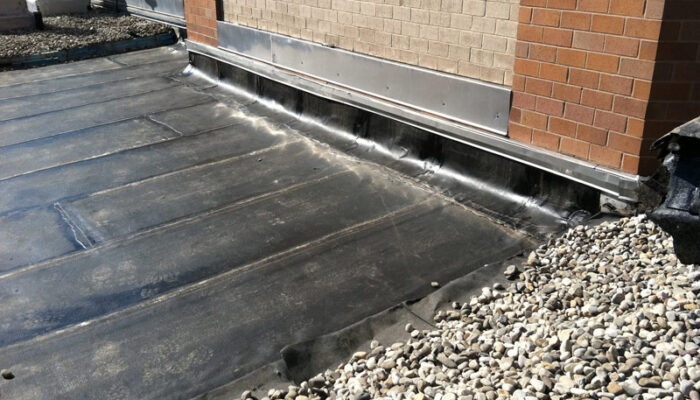
A major cause of roof leaks is failed flashing, which is installed around pipes, vents, chimneys and other objects on the roof to deflect water before it can seep into seams and joints. Flashing fails due to damage from expansion and contraction in hot and cold weather, which causes it to tear. Pitch pans seal the area around any pipes that rise from the roof. If not properly maintained or sealing elements did not take, water can run down the pipe into the roof.

Standing Water

A bad roof design or installation is the main culprit in causing standing water, although it can also be caused by a clogged drain. Standing water can cause the roof to deteriorate and leak, creating a need for commercial roof repair. Design of a level roof should include a slope with diminishing insulation or crickets. If your roof has been waterproofed and is still collecting standing water, consider whether application of the waterproofing material is too thin or if water could be leaking from an HVAC system.

Punctures and Problems Following Installation

Caution is needed when additional work or traffic is done on the roof. Heavy equipment, tools and even foot traffic can puncture and damage the waterproofing membranes. Like a crack in concrete, even small cuts and scrapes can be the start of a leaky roof.

Every roof is different and presents unique challenges for commercial roof repair. It’s a good idea for landlords and property managers of high-rise apartment and condominium complexes or commercial buildings to perform routine inspections and contact a professional restoration company for any repairs.

Balcony Waterproofing

High Rise Waterproofing Tips

High rise waterproofing is something you may not have thought about, but it is important for keeping a building in solid condition on the inside and the outside. In a regular home, you may be able to spot leaks relatively quickly because of certain telltale signs that are noticeable. With larger buildings, it may take longer to see the signs of trouble until damage has already been done. Therefore, taking the time to ensure that your building is waterproofed, to begin with, can prevent damage and expensive repairs down the line. Make sure your building’s exteriors are waterproofed with advanced materials that are resistant to extremes of heat and cold, allow breathability and are long-lasting. Professionals who apply these coatings should guarantee their work and make repairs when necessary. High rise waterproofing is essential to keep your building looking its best and functioning well for many years.

What Kind of Coatings Does Your Building Need?

When you hire a company that focuses on high rise waterproofing, you should expect the best kind of materials for preventing water from reaching the interiors of the building. Coatings should be versatile and work effectively on a variety of surfaces. It is important that the material is UV resistant and allows for the circulation of air without creating leaks. Effective waterproof coatings resist the growth of fungus, mold, and mildew and prevent moisture from seeping in and damaging the walls. Applying coatings to the exteriors of a high rise can be a complicated process, and you should work with a company that has many years’ experience and a track record of success. Effective coatings should be applied effectively in just a few coats and should be aesthetically pleasing as well as designed to last. High rise weatherproofing professionals are knowledgeable about what kinds of coatings best suit your building and how to apply them so they do not need frequent touch-ups.

Parking Garage Restoration

Types of Garage Deck Renovations You Should Consider

If you have a high-rise building, it is more than likely that you will need to undertake garage deck renovations from time to time. Parking garages and concrete decks seem durable and secure, but they receive a lot of wear and tear and should be checked for problems on a regular basis. You may have noticed cracks on the surface of the concrete that are not caused by external damage or may want to expand the life of garages and decks. You may need a variety of renovations, including replacement of the concrete expansion joints or new coatings that will weatherproof the walls and floors of your parking garages. There are a number of garage deck renovations to choose from, and it is a good idea not to wait until there Is a problem before making improvements.

Joint Replacement and Coatings

If you see cracks developing in the concrete, you may need garage deck renovations that go beneath the surface to take care of the problem. A professional may examine your floors and decide that you need new concrete expansion joints. These expansion joints help your concrete adjust to changes in weather and humidity. Cracks can develop on the surface if joints are faulty and if moisture has seeped into the concrete. An expert will go into the concrete, remove old sealant and replace it with new sealant. Your concrete should also be coated with special materials that will make it weatherproof. Heat and cold cause an expansion and contraction of molecules that can wear out even durable materials such a concrete. Water damage can also take its toll on a deck or a parking garage. Make sure the surfaces are protected with coatings that are UV resistant, can be applied in just a few coats and are long-lasting. Don’t delay garage deck renovations, but take care of issues early to prevent damage later on.

Concrete Replacement and Resurfacing

Why Concrete Expansion Joint Replacement Is Important

If the concrete on the deck of your high-rise shows cracking and signs of wear and tear, it may be time for concrete expansion joint replacement. Concrete expansion joints are designed to prevent moisture from seeping under the pads. When this happen, the level of the concrete can sink or cracking on the surface can result. The expansion joints allow for expansion and contraction during extremes of heat and cold, dryness and humidity. When these joints wear out, the concrete becomes more vulnerable to the weather and atmospheric conditions and begins to wear out quickly. Looking for signs of wear before actual damage in the concrete is visible can save you time and money, and that is why prompt concrete expansion joint replacement is essential for the health of your deck and garages.

How Joint Replacement Is Done

Your concrete decks and parking garages receive a lot of use, are exposed to extreme weather conditions and are likely to need a concrete expansion joint replacement periodically. If moisture is allowed to collect underneath the concrete, cracking and other damage can be difficult to replace later on. Hire a professional who has substantial experience with replacing expansion joints and can guarantee their work. The process involves lifting the surface, removing the old material and replacing it with new sealant. This may seem straightforward, but for a high-rise building with a number of decks and parking garages, the process can be complex and requires an effective application and high-quality sealants. The joint replacement professional can explain different types of sealant, including those that are long-lasting, weather resistant and allow for sufficient circulation of air. You should inspect your garages and decks on a regular basis to determine whether or not the expansion joints need replacing. If you see swelling or places where the concrete is cracking, determine whether the damage was caused by an external factor or from excess moisture within the concrete. If you suspect the latter, look into concrete expansion joint replacement promptly.

Deck Waterproofing

Some Ways Water Can Destroy Your Structures

Water may be a life giver everywhere else, but when it comes to construction, it can be one of nature’s most destructive elements. Whether it’s roofing, flooring or foundations, water infiltration can cause everything from weakening to erosion to complete destruction. When embarking on a new project, it can be tempting to cut cost corners by holding off on hiring a waterproofing contractor. Unfortunately, you’ll pay in the end. Don’t believe it? Read more about these ways water can destroy your structures to see why proper waterproofing matters.

Freeze-Thaw Cycles

When you rumble across a pothole, thank freeze-thaw cycles. This is one of the most common and well-known ways that water can be destructive. Water can seep into concrete and later, when temperatures drop, freeze. The resulting ice expands, pushing apart concrete and causing cracks and spalling. This is one of the most common causes of destruction to sidewalks, but it also can impact stucco walls and even asphalt.

Steam Damage

Steam can be a surprisingly destructive element in homes and businesses. The classic example occurs when a bathroom is built with no attention to waterproofing. Instead, it’s assumed that tile and epoxy grout will repel water. Instead, steam seeps in and soon water begins running down walls. A waterproofing contractor can prevent this type of outcome in commercial locker rooms and other water-prone areas with a few simple steps.

Frank Flooding

This is the most obvious threat but one that people still often don’t plan for. Proper waterproofing from a qualified waterproofing contractor is critical when a building is built at or below ground level. Ignore this and you start along the path to gradual leaks and flooding that will erode your foundation and potential threaten the entire building.

It’s simple enough to find a good waterproofing contractor and keep your structures dry. But it starts with research. Consider these tips, do your homework and you’re sure to find the perfect waterproofing professional for the job.

Stucco Repair

Three Myths about Stucco

It’s one of the oldest building materials around and its popularity is coming back. We’re talking about stucco, a visually striking material with ancient roots and endless possibilities. Whether you’re just starting to research stucco or are ready to pick a stucco contractor, it’s worth it to separate what’s true from what’s false. Here are some of the main myths that come up when it comes to stucco.

Myth #1: Stucco Will Require Lots of Crack Repairs

Particularly when it’s freshly applied, stucco is vulnerable to high winds which can wick away moisture and lead to small cracks. The good news is that while stucco can definitely crack, you won’t necessarily need to worry about constant repairs. Hairline cracks – that is, those which are less than 1/16 of an inch – can often be left alone.

Myth #2: Stucco Cannot Be Painted

This is a myth, largely rooted in the fact that painting fresh stucco is in fact a bad idea because the paint will chip and flake. But cured stucco can be painted just like any other surface. In fact, you should probably have a stucco contractor painting your stucco surfaces at least once every 10 years to combat the inevitable fading. When you do so, make sure you use a paint made specifically for use with stucco surfaces.

Myth #3: Stucco Inspection is Hard

Whether it’s a wall or two or the entire length of a structure, older stucco structures will in fact need inspection. That’s because with time, there is the chance of invasive water damage taking hold behind the stucco. If caught early, many issues with your stucco won’t require removal. The inspection itself is not hard for a qualified stucco contractor.

Stucco is surprisingly versatile, but it’s gotten an undeserved bad rap over the years. Use these tips to learn the truth about stucco, find a good stucco contractor and you’ll soon have the durable, versatile stucco structure of your dreams.

Parapet Wall Repair

Common Parapet Wall Fails

Believe it or not, once upon a time parapet walls – that is, walls that extend from above the edge of a roof – served as useful barriers in fire protection. Nowadays, they are more commonly employed to protect the edge of a roof from wind forces. They turn up on flat roofs and can even be employed in decorative fashion. Their uses are practical, but unfortunately, these unique building elements can have unique vulnerabilities and cause unique building challenges. Here are some of the main reasons you could find yourself looking for a specialist in parapet wall repair.

Rainwater Staining

One of the most unexpected yet visually problematic issues with parapet walls concern rainwater proofing. The problem starts when a contractor fails to employ methods of minimizing rainwater pooling. Parapets should be sloped inward at the top to discourage pooling, subsequent dripping and related unsightly staining.

Rainwater Deterioration

In addition to staining, water can damage parapets via penetration. This can come through the familiar freeze-thaw cycles or via sulfates and other erosive elements contained in rainwater. Parapet walls with brick on edge coping are particularly vulnerable to this type of damage. Experts in parapet wall repair can tell you that this type of damage can be prevented by installing a waterproof membrane under the coping.

Thermal Movement

Because they lack supporting masonry to contain movement, parapet walls can expand and contract more than normal. The result can be cracks in the surrounding material. Making sure expansion joints are incorporated from the start is one way to ensure a date with a parapet wall repair specialist isn’t in your future.

Parapet walls have plenty of practical uses, and when done properly, can visually enhance a building as well. But done improperly, parapet walls can present lots of problems. If you’re experiencing any of the above challenges, it’s time to call an expert in parapet wall repair.