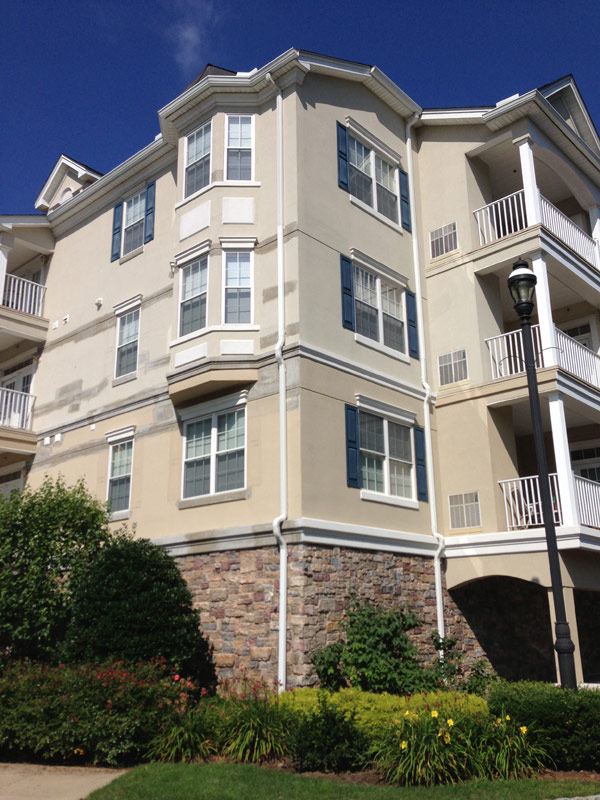
Birds can be beautiful to observe, but they can also cause serious damage when they begin pecking or nesting in a building’s exterior. Woodpeckers are especially known for creating holes in stucco and Exterior Insulation and Finish Systems, commonly called EIFS or synthetic stucco.
A small bird hole may appear to be only a cosmetic problem. However, if the damage extends through the finish coat, reinforcing mesh, insulation, or moisture-control layers, it can leave the wall vulnerable to water intrusion and further deterioration.
If you discover bird or woodpecker holes in your building’s stucco or EIFS, the damage should be inspected and repaired as soon as reasonably possible.
What Should You Do After Finding Bird Holes?
Property owners and managers should take the following steps after discovering bird damage:
- Determine whether the hole contains an active nest. Do not close a hole while birds, eggs, or young birds are inside.
- Document the damage. Take photographs and note the location, approximate size, and number of holes.
- Inspect the surrounding wall. Look for additional holes, cracks, staining, soft areas, loose finishes, or signs of moisture.
- Avoid filling the opening with ordinary caulk or spray foam. These materials may temporarily cover the opening but usually do not restore the complete stucco or EIFS assembly.
- Schedule a professional inspection. A qualified stucco or EIFS contractor can determine how deeply the bird penetrated the wall and what materials need to be repaired.
Why Do Birds Make Holes in Stucco and EIFS?
Woodpeckers may peck at a building while searching for insects, creating a nesting cavity, storing food, or producing a drumming sound to communicate and establish territory.
EIFS can be particularly vulnerable because it typically contains a layer of insulation beneath a relatively thin reinforced base coat and textured finish. Once a bird breaks through the exterior surface, it may continue removing the softer insulation beneath it and create a much larger cavity.
Recurring activity may also indicate that birds have found insects, deteriorated material, or a previously damaged area of the building. Repairing the visible hole without investigating the surrounding conditions may allow the problem to return.
Why Should Bird Holes Be Repaired Quickly?
A hole interrupts the protective surface of the wall. Depending on its depth and location, the opening may allow rain, melting snow, insects, and debris to enter the wall assembly.
Unrepaired bird damage may contribute to:
- Water intrusion behind the exterior finish
- Damage to insulation or underlying sheathing
- Cracking or loosening around the damaged area
- Delamination of the EIFS finish
- Interior staining or moisture problems
- Additional nesting or pest activity
- Reduced energy efficiency
- Visible deterioration of the building facade
Water damage behind EIFS is not always immediately visible from the outside. By the time staining, bubbling, soft areas, or interior leaks appear, the affected area may be larger than the original bird hole.
Is EIFS the Same as Traditional Stucco?
No. Although EIFS and traditional stucco may look similar, they are constructed differently and require different repair procedures.
Traditional stucco is generally a cement-based exterior system installed over lath or another suitable substrate. EIFS is a layered cladding system that may include a water-resistive barrier, drainage components, insulation board, reinforcing mesh, base coat, and textured finish coat.
Because of these differences, it is important to identify the exterior system before beginning a repair. A repair method intended for traditional stucco may not correctly restore damaged EIFS.
How Are Bird Holes in EIFS Professionally Repaired?
The correct repair depends on the size and depth of the hole, the condition of the surrounding materials, the type of EIFS system, and whether moisture has entered behind the cladding.
A professional EIFS bird-hole repair may include:
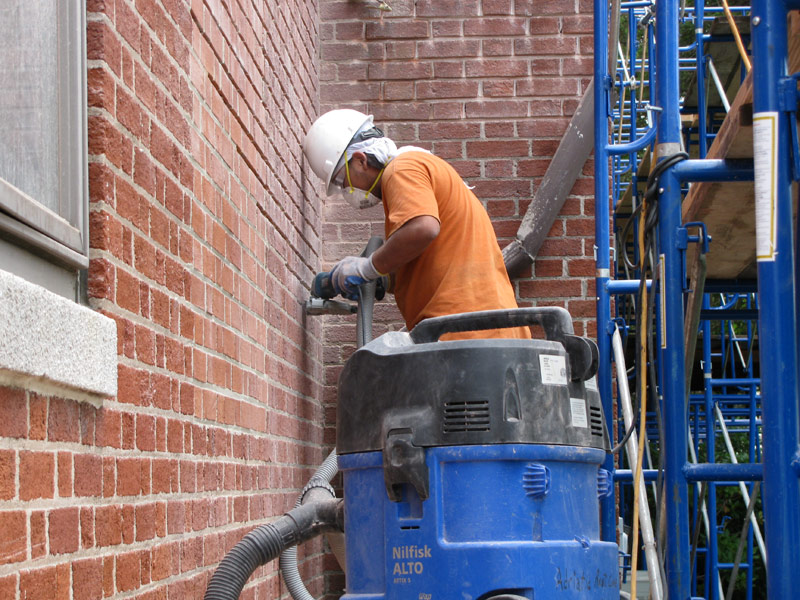
- Inspecting the affected wall: The contractor examines the visible damage and checks for moisture, loose materials, delamination, or damage to the substrate.
- Removing compromised materials: Loose finish, damaged reinforcing mesh, and deteriorated insulation are carefully removed.
- Repairing underlying components: Any damaged sheathing, moisture barrier, flashing, or other wall components are addressed before the exterior is closed.
- Replacing the insulation: New compatible insulation is fitted into the opening when the existing board has been damaged.
- Restoring the reinforcing layer: New reinforcing mesh and base coat are integrated with the surrounding system.
- Matching the finish: A compatible finish coat is applied and blended with the existing color and texture as closely as possible.
For deeper punctures, filling only the visible opening does not restore the reinforcing mesh, insulation, moisture-management components, or structural integrity of the surrounding EIFS system.
Can You Repair Bird Holes With Caulk or Spray Foam?
Caulk, spray foam, or general-purpose patching compounds are not complete EIFS repair systems. Although they may close the opening temporarily, they usually do not properly reconnect the reinforcing mesh or restore the original layered construction.
An improper patch may also trap moisture, separate from the surrounding finish, create a visible bulge, or fail during temperature changes and severe weather.
Small surface damage may sometimes require only a localized repair, but the depth of the hole should be evaluated before choosing a repair method.
How Can Future Woodpecker Damage Be Prevented?
After the wall has been properly repaired, additional steps may be needed to discourage birds from returning. The most appropriate approach depends on the building, the bird species, and whether the area has experienced repeated damage.
Possible prevention measures include:
- Installing professionally designed bird netting or other physical exclusion systems
- Repairing openings, deteriorated trim, and damaged roofline components
- Investigating insect activity or rotting materials that may attract birds
- Monitoring previously damaged elevations for renewed activity
- Using reinforced EIFS materials in areas with recurring puncture damage
- Consulting a qualified wildlife professional about lawful deterrent options
Visual scare devices may provide temporary assistance, but birds can become accustomed to devices that remain in one position. Physical exclusion is generally a more dependable option when it can be installed safely and correctly.
Avoid sticky gels or substances that could become attached to a bird’s feathers. Any deterrent method should be humane and compliant with applicable wildlife regulations.
Check for an Active Nest Before Closing the Hole
Many native bird species, including woodpeckers, are protected under federal law. Before repairing or closing a cavity, confirm that it does not contain birds, eggs, or dependent young.
If the opening contains an active nest, contact a qualified wildlife professional or the appropriate wildlife agency before taking action. Once the nest is no longer active, the opening can be professionally repaired and preventive measures can be considered.
When Should You Contact a Stucco or EIFS Repair Contractor?
Professional inspection is especially important when:
- The hole is deep or larger than a small surface puncture
- There are multiple holes across the building
- The surrounding EIFS feels soft or loose
- You notice staining, cracking, bubbling, or interior moisture
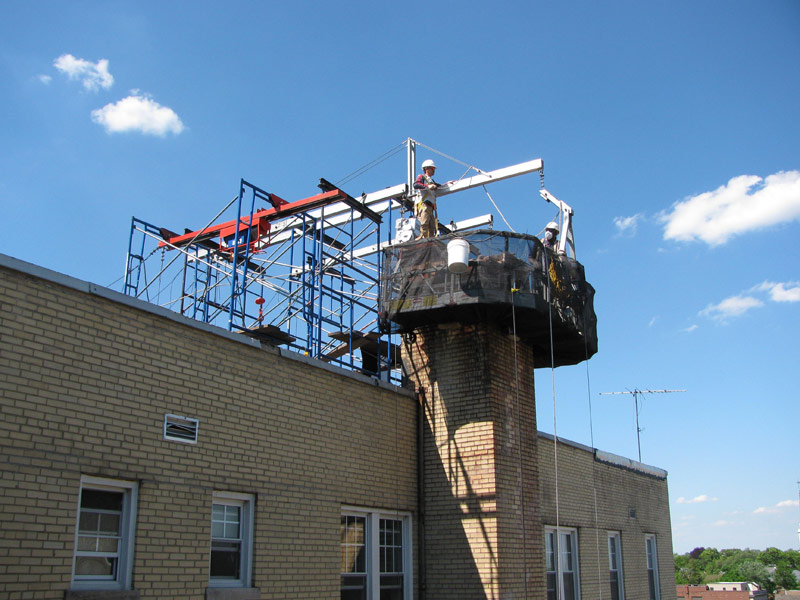
- The damaged area is located on a high-rise or difficult-to-access elevation
- Birds repeatedly return after previous repairs
- You are unsure whether the exterior is traditional stucco or EIFS
Professional Stucco and EIFS Bird-Hole Repair in New Jersey
Adriatic Restoration provides professional EIFS repair and stucco repair services for commercial, multifamily, condominium, landmark, and residential buildings throughout New Jersey.
Our team can inspect bird and woodpecker damage, determine how deeply the wall has been penetrated, repair compromised materials, and restore the exterior finish. When recurring damage is present, we can also discuss repair and reinforcement options for vulnerable areas.
Do not allow a small bird hole to become a larger moisture or facade problem. Call Adriatic Restoration at (201) 338-4642 or contact us to schedule a building assessment.
Frequently Asked Questions
Can a small woodpecker hole in EIFS be ignored?
No. Even a relatively small opening may have penetrated the finish, reinforcing mesh, or insulation. The hole should be inspected and repaired before rainwater or additional bird activity enlarges the damaged area.
Will birds return after the hole is repaired?
They may. Birds can return to a familiar nesting or drumming location, especially if the underlying attraction has not been addressed. Repair should be combined with appropriate monitoring and humane exclusion measures when recurring activity is a concern.
Can the repaired area match the existing EIFS?
An experienced contractor can select a compatible finish and closely match the existing texture and color. However, differences may remain when the surrounding facade has faded or weathered over time. In some cases, recoating a larger section provides a more uniform appearance.
Does the entire EIFS wall need to be replaced?
Not necessarily. Localized bird damage can often be repaired without replacing the entire wall. More extensive removal may be required when there are numerous holes, widespread delamination, trapped moisture, or damage to the underlying substrate.