Eifs Stucco Repair

Top Causes for Stucco and EIFS Repair

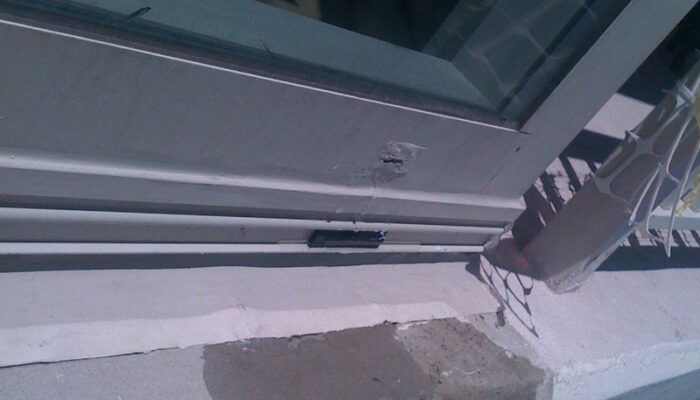
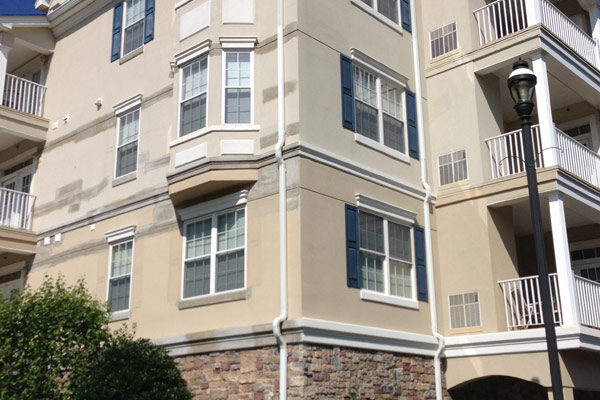
Stucco is a popular choice for many businesses, and synthetic versions, or Exterior Insulating and Finish System (EIFS), put a modern spin on this classic. But for all their benefits, these materials are not indestructible. Here are a few common reasons you may need to repair stucco and EIFS.

Improper Installation

A quick route to trouble with stucco and EIFS is installation on flat surfaces. Stucco must always be applied to sloped surfaces to ensure proper drainage or your business will eventually need EIFS stucco wall repair.

Missing Sealants

One of the biggest pitfalls for EIFS cladding lies in incorrect sealant joints. Sealant that is improperly applied or even missing can allow water to penetrate the surface, launching a devastating cycle of erosion.

Hidden Water Damage Sources

It’s often easy to see when EIFS water damage has occurred. Less obvious, however, can be the source. Hidden sources can include something as subtle as a sprinkler system installed too close to a building, or improper drainage. Overlook these little things and you’ll find yourself needing to repair stucco and EIFS.

These common pitfalls can cost you big in the end. If you’ve already become a victim, call a professional EIFS and stucco contractor in NY/NJ region who specializes in commercial repairs to get your facade back on the right track.
Stucco Repair

Common Causes of Stucco Paint Failure

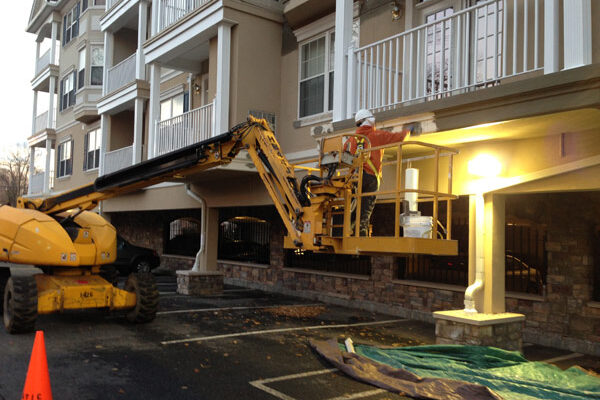
Stucco creates a textured surface that’s timelessly attractive. But unlike with other materials, stucco painting involves a lot of know-how to avoid an unsightly mess. Are you at risk for a stucco paint disaster? Here are some common pitfalls.

Painting Over Poorly Prepared Stucco 

Stucco takes time to cure, but many business owners think they can fast-forward the wait and skip to painting. Painting over stucco that hasn’t properly cured or even needs exterior stucco repair can result in unsightly cracks.

Rushing to Paint 

This is another instance where a lack of patience can lead to a bad stucco painting job. Something as simple as wanting to avoid taking scaffolding down can cause a contractor to apply stucco and paint over it too quickly. Paint will not adhere properly to uncured stucco and the result will be a chalky, dusty look.

Using the Wrong Paint 

Stucco requires unique paints for adhesion. Paint that is not designed for use on stucco or is paired with the wrong primer can result in peeling and other ugly developments over time.

There are lots of great reasons to choose stucco. But when painting, it’s crucial that you follow the proper procedures. Partner with experts in stucco painting to ensure a finish you can enjoy.

Parking Garage Restoration

Parking Garage Deck Coating – Your Top Choices

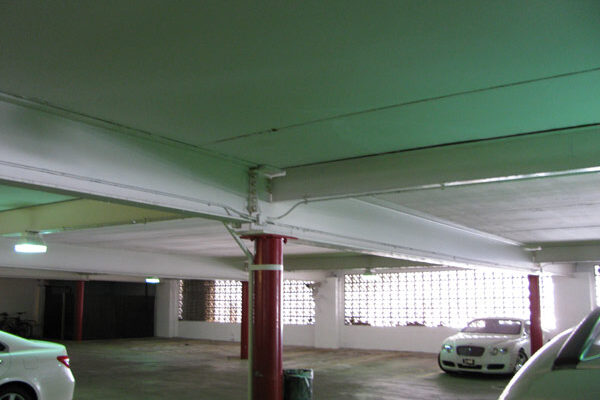
Exposed to both the rigors of vehicle and foot traffic daily, parking garages are especially vulnerable areas of any building. Weather, water damage and more can quickly erode these structures. Fortunately, parking garage deck coatings and sealers can make a difference. Here are some of the most popular types.

Penetrating Sealers

Applied in liquid form, these work by stopping the No. 1 culprit in garage damage – water. Typically made of silane or siloxane and other silicates, these treatments block water from entering concrete, and creating a damaging freeze-thaw cycle.

Methacrylate and Epoxy Sealers

These sealers are beneficial because they can both prevent damage and restore a parking deck that’s already cracked and damaged. That’s because these parking garage deck coatings use methacrylates and epoxies to seal pores, blocking water and chloride from penetrating concrete.

Elastomeric Membranes

Non-penetrative, elastomeric membranes work by simply creating a surface barrier to shut out moisture. They’re ideal for parking garages with extreme damage or dynamic cracking and surface destruction. Affordable and easy to clean, they can offer a quick makeover for the most damaged structures.

Moisture, weather and contaminants can lead even the highest quality garages to rapidly deteriorate. If yours is going left or is already long gone, consider one of the above parking garage deck coating options to spruce it up and avoid more future expense.

Stone Restoration by Adriatic

What Can Damage Your Stone or Brick Walls?

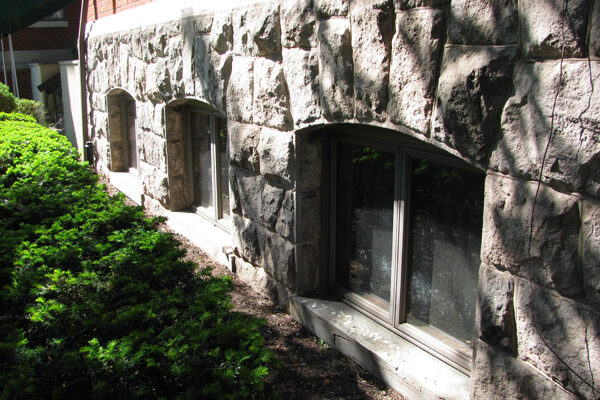
Stucco and brick are super durable, ideal for commercial businesses. But they aren’t indestructible and any building made of these materials will eventually need repairs. Here are a few things that can land you shopping for stone repairs in Alpine, NJ.

Water Damage

Have you seen stucco tears in your building’s walls? This is a sign of water damage usually due to failure of sealing in parts where the stucco meets other joints.

Foundation Changes

Over time, the soil beneath your building compresses and the foundation settles leading to vertical cracks in your stucco walls.

Weather

Brick, stucco and stone in general are considered weatherproof building materials. However, enough wind, heavy rains, and humidity can weaken even these tough materials over time, leaving you needing brick repairs in Alpine, NJ.

Vibrations

Those rumbling vibrations from construction sites are more than a nuisance. They can cause external vibrations that can crack your stucco siding.

Thermal Expansion

Heat can also damage brick via thermal expansion of long brick walls lacking expansion joints. This can result from sun exposure.

When any of the above has taken its toll on your stone walls, it’s time to find a qualified specialist in brick, stone or stucco repairs in Alpine, NJ to get your building looking like new.

Steps to Painting a Concrete Deck

When it’s brand new, it’s hard to believe your clean concrete deck could ever get dirty. But before long, foot traffic and more can give it a gray pallor. Ready to spruce things up? Here are five quick steps for concrete deck painting.

Gather the Right Tools

Plan on investing in specialized concrete paint for decks. You’ll also need masonry sealant and primer, a clear finishing sealant to apply after painting and naturally, a sprayer or several rollers.

Clean Your Deck

The only thing worse than a dirty concrete deck is one with painted on debris. Avoid this by sweeping your deck thoroughly. Next wash your deck down with grease cutting soap, rinse and dry.

Fix Repairs

Concrete deck painting over cracks is bad practice, so plan to repair any minor nicks before you paint.  Clean cracks with a wire brush or vacuum and fill with masonry crack filler.

Paint

Following the directions for your products, apply masonry sealant and primer onto the deck directly and spread over a few square feet at a time.

You’ll need to wait 24 hours for the paint to dry before applying sealant. If this all sounds like a lot of work, choose instead a knowledgeable concrete deck painting contractor in NJ and NY with years of experience. You won’t regret it!

Parking Garage Restoration

5 Reasons You Should Waterproof Your Parking Garage in 2019

Waterproofing might not seem like a natural priority for a parking garage, especially if it’s covered. But water is the top threat that faces garages in the long run, creating rust, corrosion and freeze-thaw cycles that can generally destroy a structure. Parking garage waterproofing is an investment that will benefit you thoroughly in the long run. Here are the top five reasons to waterproof your parking garage.

  • Cracks and Spalls

Water getting into a garage can penetrate concrete, freezing and expanding or introducing erosive chlorine and chemicals. The result is cracking and crumbling.

  • Poor Drainage

Water that gets into a garage often pools and forms puddles that are frustrating and even dangerous for drivers.

  • Weakened Structure

Water can gradually erode reinforced steel as well as joint sealants between fixtures and concrete floors. This can create a dangerous weakening of your structure.

  • Damaged Cars

Water can contain chemicals and even salt that, if allowed to drop or splash onto cars in a parking garage, can begin to damage auto paint.

Simply put, water is one of the biggest threats to a well-functioning parking garage. A waterproof parking deck creates a better experience overall. Get ahead of the threats posed by this element by working with a reputable company with experience in parking garage waterproofing well before you see the telltale signs of water damage.

3 Reasons Not to Ignore Masonry Issues

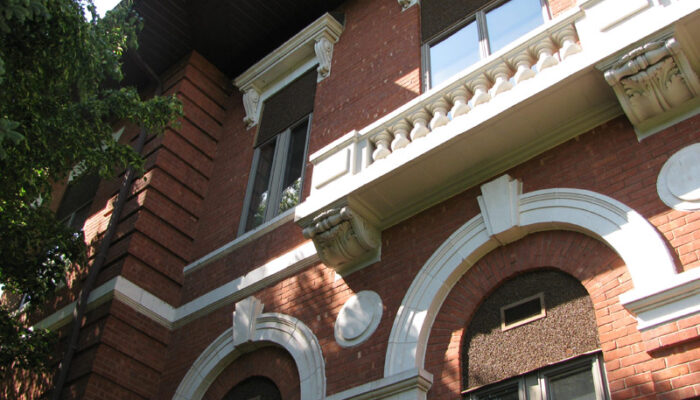
The beautiful stonework and masonry facades that decorate landmark buildings, hi rises, office buildings and many other types of commercial structures may look indestructible, but that isn’t the truth. Beneath the surface, cracks and fissures can create damage that slowly becomes irreversible. Here are a few reasons why investing in masonry restoration in NJ now is a good way to protect your building in the future.

Masonry Damage Threatens the Entire Structure

Left untreated, masonry damage can slowly destroy a building. Just one small crack can let in water, which then freezes and thaws, making holes and cracks. Masonry restoration contractors know firsthand that this eventually weakens the entire structure.

It Can Lower Property Value

Damaged stonework and masonry can signal a weakened structure and even suggests decreased energy efficiency from a building that lets out heat. The prospect of repairing the damage can dissuade would-be buyers.

Damage Can Cause an Accident

In older cities especially, it’s not uncommon for compromised stonework to fall off hi rise buildings. This can damage vehicles or even injure a passerby, creating a major liability.

Don’t let your commercial building fall into ruins. Contact a specialist in masonry restoration in NJ today to learn your options for keeping your property attractive and efficient.

Stucco Repair

Why Is Regular Stucco EIFS Repair Essential for Your Property?

It’s important to ensure you repair stucco EIFS on your buildings anytime they suffer any damage that harms the structural integrity of the EIFS. Cladding a structure with stucco EIFS helps it to maintain temperature better, lowering your energy costs, while also serving to waterproof the building to avoid any potentially costly water damage. All of these benefits can go away if it is not properly maintained, however. If your buildings have stucco EIFS, here are the top reasons to make sure that you are getting regular maintenance and promptly ordering any necessary repairs when damage is discovered.

  • Ordering repairs when a problem is small prevents it from developing into a problem that is much bigger and significantly more expensive to repair.
  • Damage to your building’s stucco EIFS can harm the effectiveness of your EIFS which can lead to other costly losses.
  • Regular maintenance and repair keep your stucco EIFS looking its best, which is essential for maintaining an attractive look to your building’s occupants and visitors.

When it’s time to repair stucco EIFS on your properties, you need to find professionals you can trust to get the job done right and done on time. Adriatic Restoration provides stucco EIFS repair for landmark buildings, office buildings, hi-rises, apartments and commercial building.

Can Flashing Solve Your Leaky Window Problem?

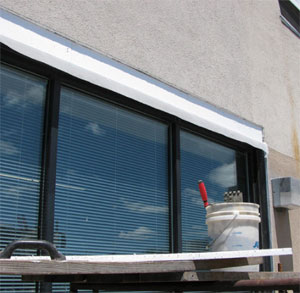
Water, snow, air – it all can seep into windows and cause destruction, especially in older, landmark buildings. Sealing may be the go to solution, but often the real answer lies in window flashing. Learn how window flashing works and whether it’s the answer to your building’s aluminum window waterproofing needs.

Understanding Flashing

Flashing is a thin strip that stops water penetration via the angles common near windows. Some builders think siding or standard facades can perform this function, but that’s simply not true. Flashing materials include:

  • Tape
  • Sheet metal
  • Vinyl

We know what flashing is, but when do you need it?

When There’s Mold

Rot and mold near a window is a telltale sign of water leaking and a clue that flashing can help. This is especially common for older buildings where caulk was used instead of flashing. Ignoring this can allow mold and rot to worsen and become a more costly problem.

When Windows Lack Channels

Some types of windows designed with built-in channels don’t need flashing. Those let water channel out and away from your building rather than seeping in. If your windows don’t have this built in, flashing is a good option.

Flashing is a best practice in aluminum window waterproofing, and some codes even require it. But if your building is older, it may not have it. If you’re facing mold, leaks and other signs of weather infiltration, call a window refinishing contractor to see if flashing installation can help.

My Window Gaskets Failed – Do I Need New Windows?

Many components help windows keep out air, water and debris, including their gaskets. When these deteriorate, windows are no longer able to do their job of keeping what’s outside from getting inside. Window replacement may seem inevitable, but there are cheaper options like aluminum window gasket repair. Learn more about fixing the windows on your commercial property for less.

What Are Gaskets

Often made of materials like aluminum, rubber or neoprene, gaskets cushion your windows glazing. Poor gasket performance can result in things like:

  • Leaks
  • Drafty rooms
  • Higher utility bills

When gaskets fail, window replacement is often the answer. But not always.

Gasket Replacement

Replacing aluminum window gaskets is one affordable option.  Simply remove existing perimeter gaskets and install new ones. This may occasionally require removing glazing, which can be costly. But it’s still cheaper than replacing all of your windows.

Sealants

Sometimes windows are too old for gasket replacement and that’s when sealants can come into play. Repairs involve cutting a portion of the gasket bulb and replacing with elastomeric sealant. Be aware that sealant will require maintenance, so it’s not a permanent fix.

Leaky windows are an expensive pain, but replacing them isn’t the only answer. Consider aluminum window gasket repair or sealant before you pour money into such a pricey fix.